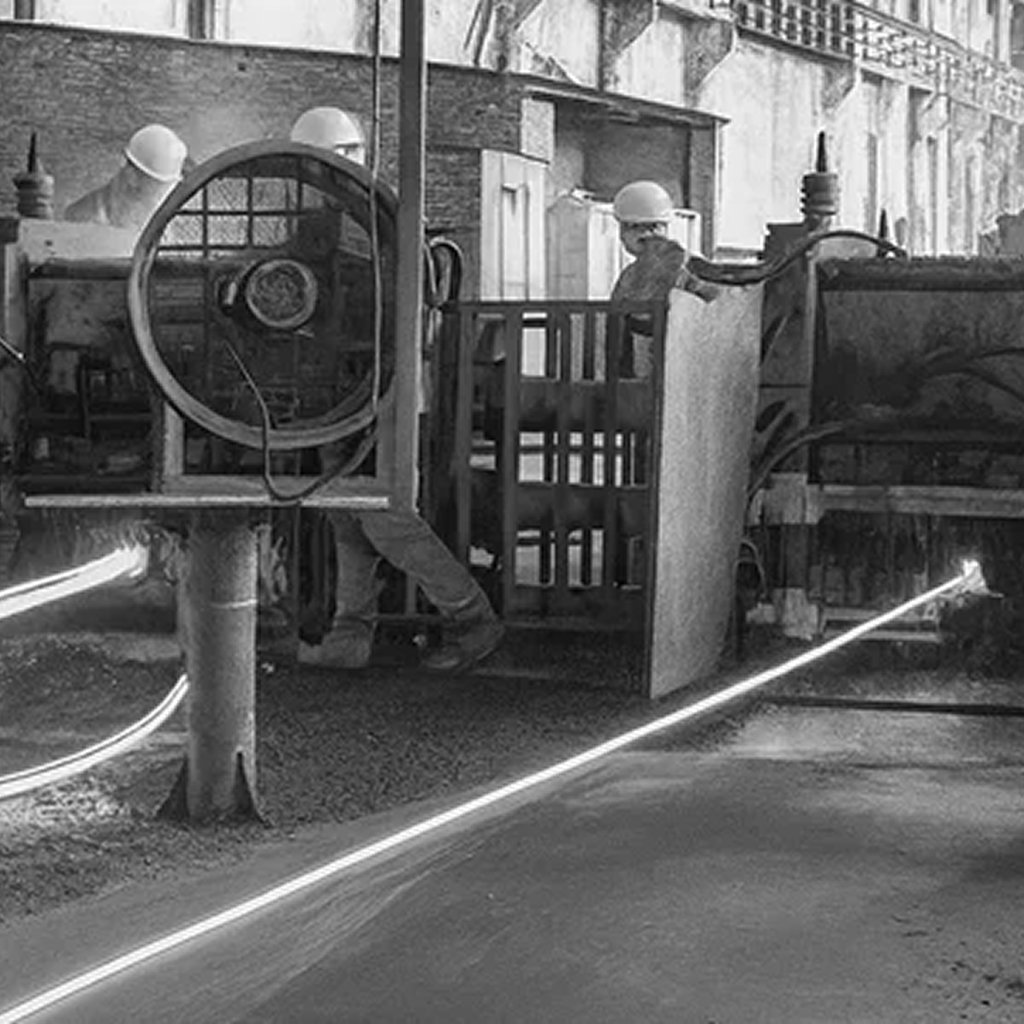
India’s Most Advanced TMT Brand Since 1974

India’s Most Advanced TMT Brand Since 1974
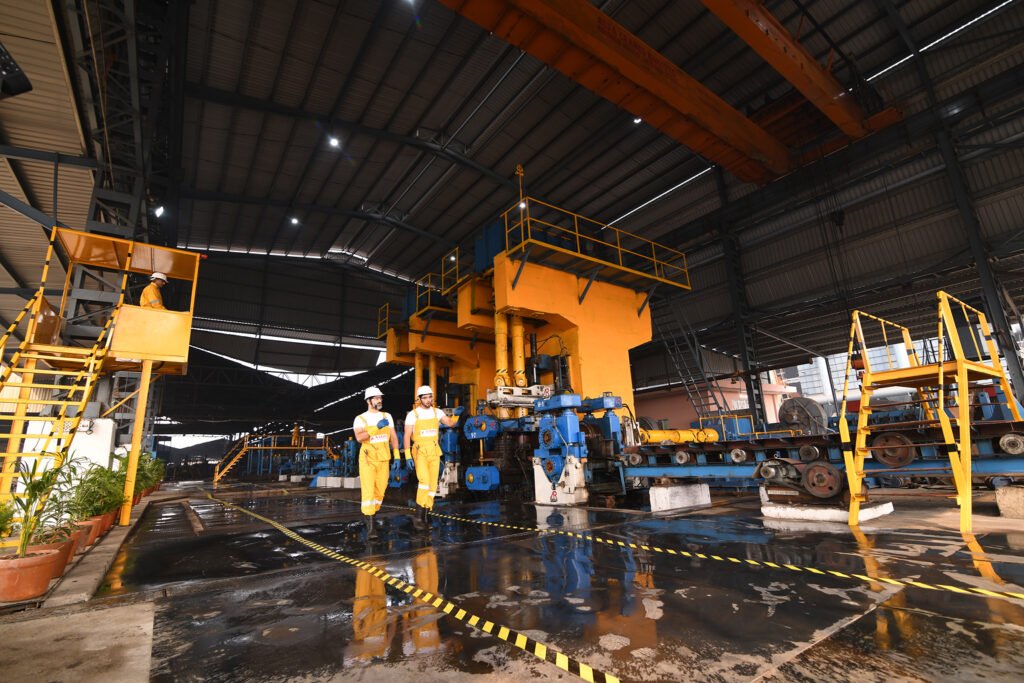
Advanced-TMT-Brand

Ask anyone who has been in construction for a few years, and they’ll tell you one thing steel is not something you compromise on. Once it goes into the structure, you don’t see it again, but it carries the entire load for decades. That’s why builders don’t just look at price. They look at trust.

Experience Still Matters in the Indian TMT Industry

There are many TMT bar manufacturers in India today. New names keep coming in, technologies keep changing, and marketing keeps getting louder. But in reality, people still prefer brands that have proven themselves over time. Experience matters because construction mistakes are expensive.

What Truly Defines an Advanced TMT Brand?

When we say an Advanced TMT Brand, it doesn’t only mean modern machines or big factories. It means consistent quality, proper testing, and steel that behaves the same way on every site. Contractors usually stick to brands that don’t give surprises because on-site conditions are already challenging enough.

Many people search online for the best tmt bar in India, but the answer is rarely just about numbers on paper. Strength is important, yes, but so is reliability. Does the steel bend correctly? Does it bond well with concrete? Does it perform as expected during real construction? These are the things site engineers actually care about.

Why Supply Consistency Matters as Much as Quality

A good tmt bar company in India also understands the reality of construction timelines. Material delays can slow down entire projects. That’s why consistent supply and dependable service matter just as much as product quality. Builders often prefer brands that they know will deliver without complications.

The same goes for TMT bars suppliers in India. A strong supply network means materials reach sites when needed and in proper condition. For contractors, that reliability builds confidence over the long term.

A Legacy of Trust Since 1974

Since 1974, Amba Shakti Tricore has grown alongside the construction industry, adapting to changes without losing focus on quality. Over the years, the brand has earned trust not through big claims but through consistent performance across projects of different sizes.

At the end of the day, steel is about peace of mind. Builders choose brands that make their job easier and their structures stronger. That’s what really defines an advanced brand, not just technology, but years of dependable performance that people can trust.
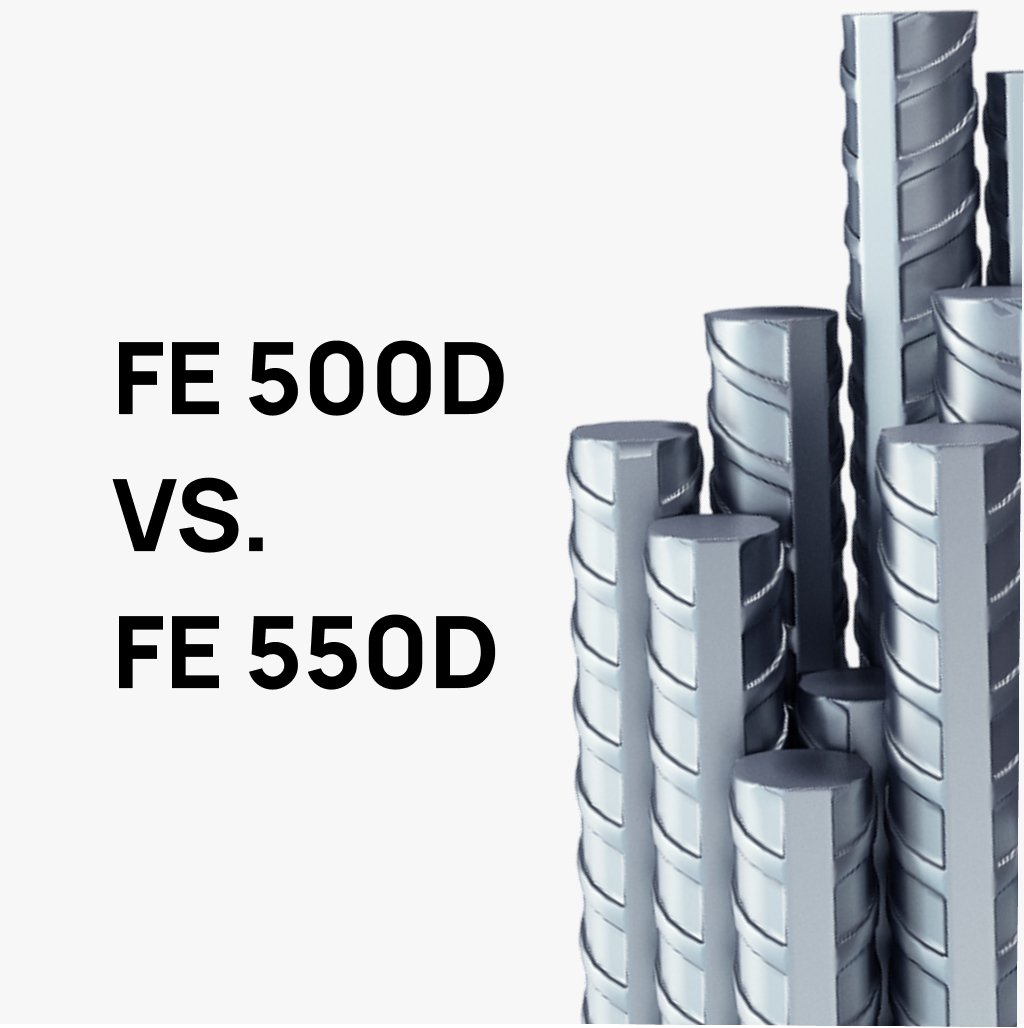
Fe 500D vs. Fe 550D: Which TMT Grade is Best for Construction in 2026?

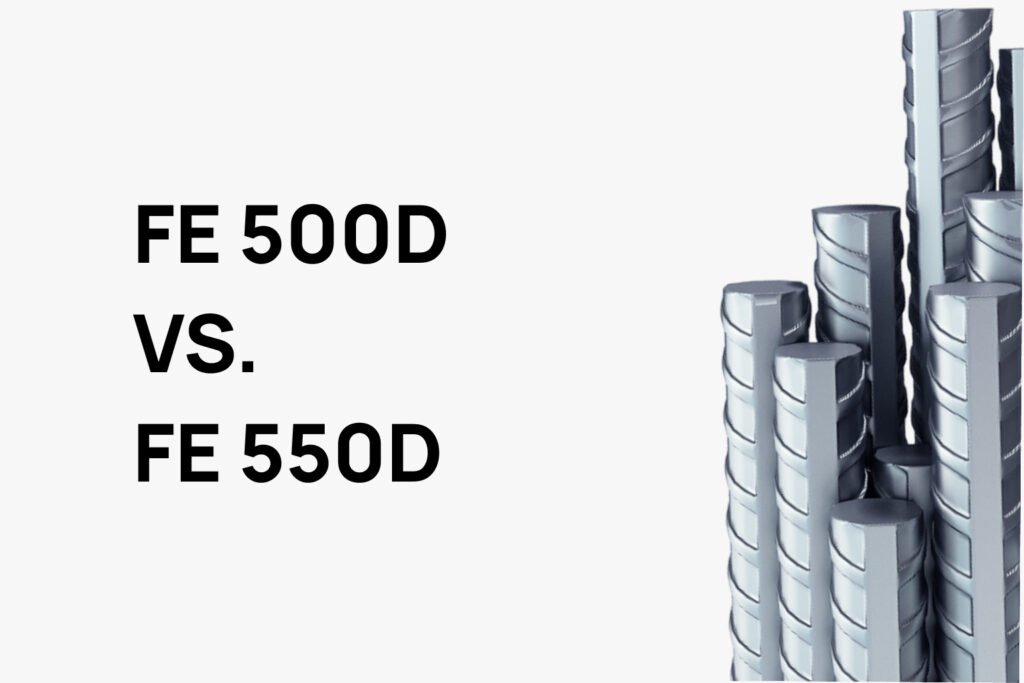
Fe 500D vs. Fe 550D: Which TMT Grade is Best for Construction in 2026?

This question comes up more often now than it did a few years ago. Earlier, most people simply went with Fe500 and moved on. Today, with taller buildings and tighter structural calculations, the comparison between Fe500 vs Fe550 TMT bars feels more relevant.

But honestly, the answer isn’t dramatic.

It depends on what you’re building.

First, the basics. The number just tells you how much stress the steel can handle before it starts to deform. Fe500 TMT bars handle 500 MPa. Fe550 TMT bars handle more. That’s the technical difference.

Fe500 TMT Bars for Residential and Mid-Rise Construction

Now here’s the practical side, for regular homes, small apartment buildings, shops, or mid-rise projects, Fe500 works absolutely fine. It has been used for years across India without issues. It gives good strength, decent flexibility, and doesn’t complicate design calculations. In fact, many engineers still prefer it because it offers a comfortable balance.

When Fe550 Becomes a Better Structural Choice

For regular homes, small apartment buildings, shops, or mid-rise projects, Fe500 works absolutely fine. It has been used for years across India without issues. It gives good strength, decent flexibility, and doesn’t complicate design calculations. In fact, many engineers still prefer it because it offers a comfortable balance.

Fe500 vs Fe550 – Choosing the Right Grade for the Right Project

Where things change is when the structure gets heavier. If you’re working on a high-rise, a warehouse with heavy load requirements, or infrastructure where structural stress is clearly higher, then Fe550 starts making sense. The extra strength helps. In some designs, it may even reduce the quantity of steel required, but only if the structural engineer plans for it properly.

This is where people misunderstand the difference between Fe500 and Fe550 TMT bars. It’s not about which one is superior overall. It’s about suitability. Using Fe550 in a small house doesn’t automatically make the building stronger. The design decides that, not just the grade.

The Role of Manufacturing Quality in TMT Bar Performance

Another important point, and this matters more than people admit, is manufacturing quality. Even the right grade won’t perform well if production standards are inconsistent. That’s why experienced contractors pay attention to trusted TMT bars manufacturers in India instead of only focusing on grades.

Consistency in strength, proper treatment process, and uniform quality across batches matter a lot once the steel is inside concrete and no longer visible.

Brands like Amba Shakti Tricore have built their presence by maintaining steady quality rather than just marketing higher grades. And in construction, reliability always matters more than claims.

So if you’re planning for 2026, here’s the straightforward way to think about it:

If the project is residential or moderate in scale, Fe500 is usually enough.

If the structure carries heavier loads or goes vertical in a big way, Fe550 may be the better fit.

Why Do Government Projects Need ISI Certified Steel Manufacturers in India?

Why Do Government Projects Need ISI Certified Steel Manufacturers in India?

ISI Certified Steel Manufacturers in India

Public infrastructure is built to last generations. Roads, bridges, metro corridors, dams, and public housing projects are not just construction sites, they are national assets. This is why government projects in India follow stricter material standards than private developments, especially when it comes to reinforcement steel.At the core of these standards is the requirement to source steel only from ISI certified steel manufacturers in India.

ISI Certification: A Non-Negotiable Requirement

ISI certification is not a branding exercise. It is a statutory assurance that steel products conform to Indian Standards laid down by the Bureau of Indian Standards (BIS). For reinforcement steel, this certification confirms that ISI certified TMT bars meet defined benchmarks for strength, ductility, chemical composition, and dimensional accuracy.

Government agencies rely on ISI certification because it ensures uniform quality across large-scale projects where material inconsistency can lead to long-term structural and safety risks.

Why Government Projects Demand Certified Steel Only

Unlike private construction, government projects involve high public exposure and long service life expectations. Failures or premature deterioration can have severe safety, economic, and reputational consequences. For this reason, tenders and procurement guidelines clearly mandate sourcing from government approved steel manufacturers.

ISI certification provides confidence that steel supplied across multiple locations and phases will perform consistently under load, environmental stress, and time.

Accountability and Traceability in Public Procurement

One of the key reasons governments insist on steel manufacturers for government projects to be ISI certified is traceability. Certified manufacturers maintain documented production records, batch-wise testing data, and compliance reports. This creates accountability at every stage, from manufacturing to site delivery.

In large public projects, this traceability becomes essential for audits, inspections, and quality assurance checks.

Structural Safety and Long-Term Durability

Public infrastructure is designed to withstand heavy usage, environmental exposure, and in many cases, seismic or dynamic loads. ISI certified TMT bars are tested to ensure they meet these performance demands, reducing the risk of structural degradation or failure over time.

By sourcing from certified suppliers, government bodies reduce maintenance costs, extend asset life, and protect public safety.

Role of Government Steel Suppliers in India

Government steel suppliers in India act as a bridge between certified manufacturers and public sector projects. Their role is not just supply, but ensuring that only compliant, tested, and approved material reaches the construction site.

This controlled procurement ecosystem helps maintain quality consistency across national and state-level infrastructure initiatives.

Conclusion

Government projects operate under a higher responsibility to the public, to safety, and to long-term national development. This is why sourcing steel from ISI certified steel manufacturers in India is mandatory, not optional.ISI certified TMT bars, including Amba Shakti Tricore, supplied by government approved steel manufacturers, ensure accountability, durability, and structural reliability. In public infrastructure, certification is not just about compliance, it is about trust.


How Tricore TMT Bars Improve Earthquake Resistance in Modern Buildings

How Tricore TMT Bars Improve Earthquake Resistance in Modern Buildings

Tricore TMT Bars Improve Earthquake Resistance

Earthquake safety is no longer limited to high-risk zones. With changing seismic patterns and denser urban construction, modern buildings must be designed to withstand sudden and repeated stress. One of the most critical factors in earthquake-resistant construction is the quality and behaviour of reinforcement steel.This is where Tricore TMT bars play a key role, offering controlled strength and ductility that improve a structure’s ability to absorb seismic energy.

Why Reinforcement Steel Matters During Earthquakes

During an earthquake, buildings are subjected to rapid load reversals, lateral movement, and repeated stress cycles. Concrete alone cannot handle these forces effectively. The responsibility falls on reinforcement steel to absorb energy, control cracking, and prevent sudden collapse.For this reason, engineers prioritise earthquake resistant TMT bars that can bend, stretch, and recover without breaking.

Tricore Structure and Seismic Performance

Tricore TMT bars are engineered with a three-layer internal structure, designed specifically to balance strength and flexibility. The outer layer provides high tensile strength, while the inner core remains ductile. Between them lies a transition zone that helps distribute stress more evenly.

This tricore design allows the steel to deform gradually under seismic forces instead of failing abruptly. As a result, buildings reinforced with Tricore TMT bars are better equipped to withstand earthquake-induced movement and energy dissipation.

Ductility: The Key to Earthquake Resistance

In seismic conditions, ductility is more important than sheer strength. Steel that is too rigid may crack or snap under sudden stress. Tricore TMT bars are designed to exhibit controlled yielding, allowing the structure to sway and absorb energy without losing its load-bearing capacity.This makes them among the best TMT bars for earthquake zones, where repeated stress cycles demand reliable deformation behaviour rather than brittle resistance.

Crack Control and Structural Stability

Earthquakes often cause micro-cracks that can compromise long-term structural stability. Tricore TMT bars help limit crack width and prevent uncontrolled propagation by maintaining a stable bond with concrete and distributing stress more evenly across structural elements.

This improves overall building resilience and reduces post-earthquake repair requirements.

Choosing the Right TMT Bars Manufacturer in India

Earthquake resistance depends not only on design but also on manufacturing quality. Reliable earthquake resistant TMT bars manufacturers in India focus on controlled rolling, precise thermo-mechanical treatment, and consistent testing to ensure predictable performance under dynamic loads.

For seismic safety, buyers and engineers should prioritise manufacturers that demonstrate process consistency, quality control, and compliance with structural standards.

Conclusion

Earthquake-resistant buildings require reinforcement steel that can respond intelligently to sudden and repeated stress. With their balanced strength, high ductility, and controlled deformation behaviour, Amba Shakti Tricore TMT bars offer clear benefits for seismic applications.

By selecting earthquake resistant TMT bars from dependable TMT bars manufacturers in India, builders can significantly improve structural safety, durability, and occupant protection in modern buildings.