Today’s TMT Bar Price in India – What Affects Steel Rates in 2026?

Today’s TMT Bar Price in India – What Affects Steel Rates in 2026?
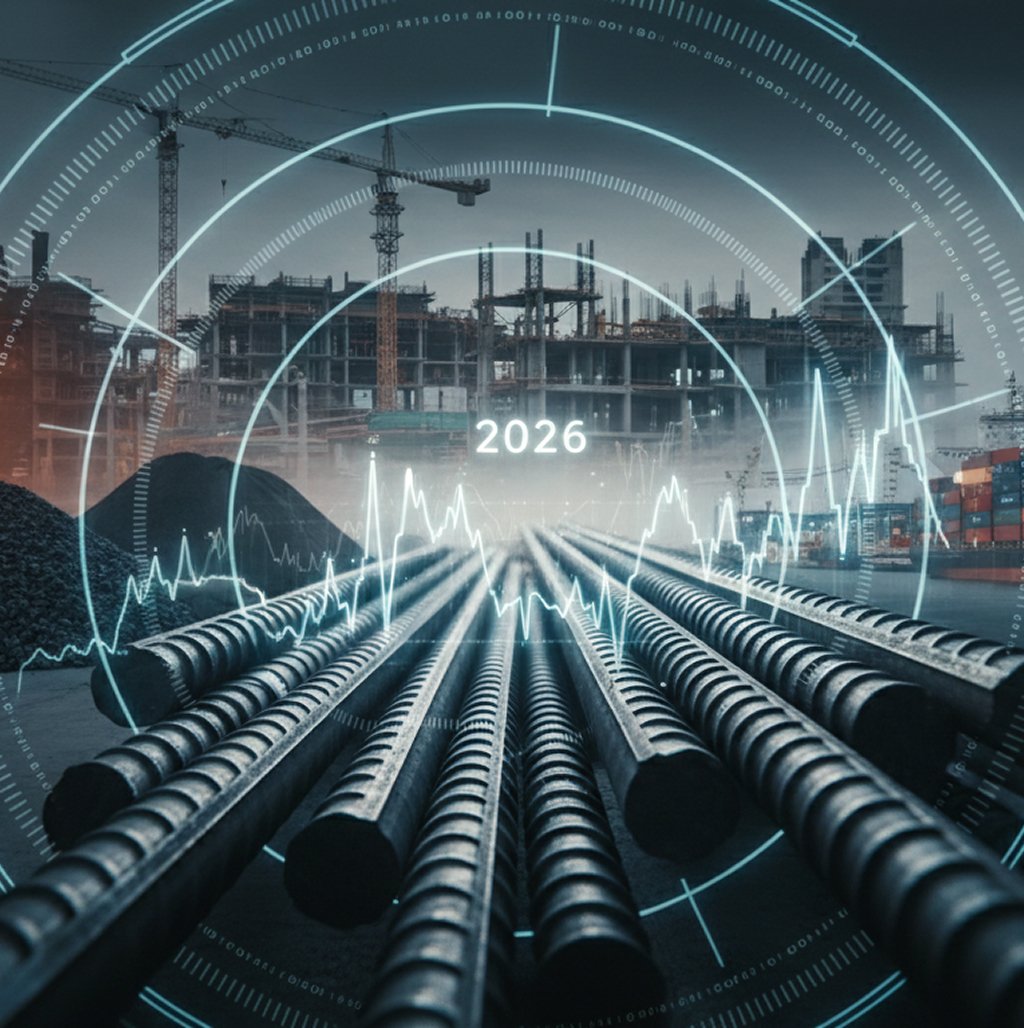
The TMT bar price in India is one of the most closely watched indicators in the construction industry. From individual home builders to large infrastructure developers, everyone keeps track of the latest TMT bar rates in India because reinforcement steel forms a major portion of construction costs.However, steel prices are not fixed. The TMT steel bar price per kg changes frequently depending on several industrial and economic factors. Understanding what drives these changes helps builders plan purchases more efficiently and manage construction budgets better.

Current Trend in TMT Bar Prices

The TMT steel bar price per kg varies depending on several parameters, such as:


    • Steel grade (Fe500, Fe550, etc.)

    • Manufacturing technology

    • Brand reliability

    • Order volume

For infrastructure developers and large construction firms, the bulk TMT bar price in India is generally lower than retail pricing because manufacturers offer volume-based discounts.

Key Factors Affecting TMT Bar Price in India

Raw Material Availability

The cost of primary steel inputs such as MS scrap, iron ore, sponge iron, and billets directly affects the TMT bar price in India. Any disruption in mining output, transportation, or global commodity markets can cause steel prices to fluctuate. 

Energy Consumption in Steel Production

Steel manufacturing is an electricity-intensive industrial process. Furnaces, rolling mills, and refining systems require large amounts of power to convert raw materials into reinforcement steel.

When electricity comes from coal-based power plants, production costs increase along with carbon emissions. This is why energy sources play an important role in determining overall steel manufacturing costs.

Manufacturing Technology

Reliable Best TMT Bars Manufacturers in India use advanced metallurgical technologies to ensure consistent strength and durability.

Modern manufacturing processes include:


    • High-speed Horizontal-Vertical Rolling Mills for dimensional precision

    • German Thermex quenching technology to create a strong outer layer with a ductile core

    • Ladle Refining Furnace (LRF) for better chemical purity and corrosion resistance

    • CNC-machined mill rolls for sharper ribs and improved bonding with concrete

These technologies improve structural performance and ensure long-term durability in reinforced concrete structures.

Infrastructure and Construction Demand

Large infrastructure programs significantly influence the latest TMT bar rates in India. Government investments in highways, railways, urban housing, and metro projects increase steel consumption, which can push prices upward.

Similarly, strong growth in real estate development also increases demand for reinforcement steel.

Green Steel and Responsible Construction

Modern construction is gradually moving toward environmentally friendly and sustainable building practices. Since steel manufacturing consumes large amounts of electricity, the energy source used in production has a major impact on the industry’s carbon footprint.

AMBA Shakti Tricore TMT bars are manufactured using electricity generated from captive solar and wind power plants. By replacing traditional coal-based electricity with renewable energy, the manufacturing process significantly reduces carbon emissions.

It is important to note that green TMT bars do not perform better than conventional TMT bars. Their strength, durability, and structural performance remain the same. The key difference is that they deliver the same reliability while supporting sustainable infrastructure and responsible construction.

Conclusion

The TMT bar price in India is influenced by multiple factors, including raw material costs, electricity consumption, manufacturing technology, and infrastructure demand. Monitoring these elements helps builders and contractors understand fluctuations in the TMT steel bar price per kg and make better purchasing decisions.

As the construction industry evolves, sustainable manufacturing is also becoming increasingly important. Steel produced using renewable energy sources helps reduce environmental impact while maintaining the strength and reliability required for modern construction.

How Infrastructure Growth in India is Driving Demand for TMT Bars in 2026

How Infrastructure Growth in India is Driving Demand for TMT Bars in 2026

India’s infrastructure sector is expanding at an unprecedented pace. Large-scale projects such as expressways, metro rail networks, industrial corridors, ports, and smart city developments are reshaping the country’s economic landscape. This surge in development is significantly increasing the steel demand in India, particularly for reinforcement steel used in structural construction.

Among the most critical materials in modern construction are TMT bars in India, which provide the tensile strength necessary to support concrete structures. As infrastructure projects become larger and more technically demanding, the need for reliable TMT bars for construction continues to grow.

Infrastructure Expansion and Rising Steel Demand

Infrastructure development requires massive volumes of structural materials. From bridges and tunnels to airports and elevated corridors, reinforced concrete forms the backbone of these projects. Because concrete alone cannot withstand tensile stress, reinforcement steel becomes essential.

This is why steel for infrastructure projects plays a vital role in ensuring durability, stability, and long-term structural performance. As more large-scale projects are announced across the country, the steel demand in India is expected to remain strong through 2026 and beyond.

Key Sectors Driving TMT Bar Consumption

Transportation and Mobility Projects

India is heavily investing in improving transportation infrastructure. National highway expansions, dedicated freight corridors, metro rail networks, and urban flyovers require enormous quantities of reinforcement steel.

Structural elements such as columns, beams, foundations, and bridge decks rely on TMT bars for construction to handle load stress, vibrations, and dynamic forces created by traffic movement.

Urban Housing and Smart Cities

Rapid urbanisation is another major contributor to the growing steel demand in India. The development of residential complexes, commercial hubs, and smart city infrastructure has increased the use of reinforced concrete structures.

High-rise buildings and large urban developments depend on strong and reliable TMT bars in India to maintain structural integrity over long periods.

Industrial and Energy Infrastructure

Industrial parks, manufacturing zones, logistics hubs, and power infrastructure projects also require significant volumes of reinforcement steel. These structures must support heavy machinery, large operational loads, and continuous industrial activity.

As a result, the role of dependable TMT bar manufacturers in India becomes crucial in meeting the increasing demand from infrastructure and industrial construction.

Infrastructure Growth and Sustainable Construction

As infrastructure development accelerates, sustainability is becoming an important consideration for the construction sector. Steel production is an energy-intensive process, and the source of electricity used in manufacturing significantly affects its environmental footprint.

Reducing emissions while maintaining structural performance is becoming a priority for the industry as it moves toward more responsible building practices.

Conclusion

India’s expanding infrastructure sector is significantly increasing the demand for reinforcement steel. Large-scale transportation networks, urban development projects, and industrial infrastructure are driving the rising steel demand in India, making TMT bars in India a critical component of modern construction.

At the same time, sustainability is becoming an important factor in material selection. AMBA Shakti Tricore TMT bars represent a step toward greener construction by using electricity generated from captive solar and wind power plants during manufacturing. Since steel production consumes large amounts of electricity, replacing coal-based power with renewable energy significantly reduces the carbon footprint of the process.

By delivering the same structural strength and durability required for infrastructure projects while supporting more environmentally friendly construction, AMBA Shakti contributes to building infrastructure that is not only strong but also more responsible for the future.

How to Choose the Right TMT Bar Grade for Your Construction

How to Choose the Right TMT Bar Grade for Your Construction

In any reinforced concrete structure, steel carries the tensile load, while concrete handles compression. This is why choosing the correct TMT bar grade for construction becomes one of the most important structural decisions in a building project.

Many homeowners and even some contractors assume that the highest grade is always the best option, but structural engineering does not work that way. The right grade depends on factors such as load distribution, seismic requirements, structural design, and the type of building.

Understanding the various TMT bar grades in India helps builders and engineers choose the most suitable reinforcement for safe and durable construction.

What Does a TMT Bar Grade Indicate?

TMT bar grades are classified based on their yield strength, which refers to the stress level at which the steel begins to deform permanently. Yield strength is measured in megapascals (MPa).

For example:

  • Fe415 – Yield strength of 415 MPa
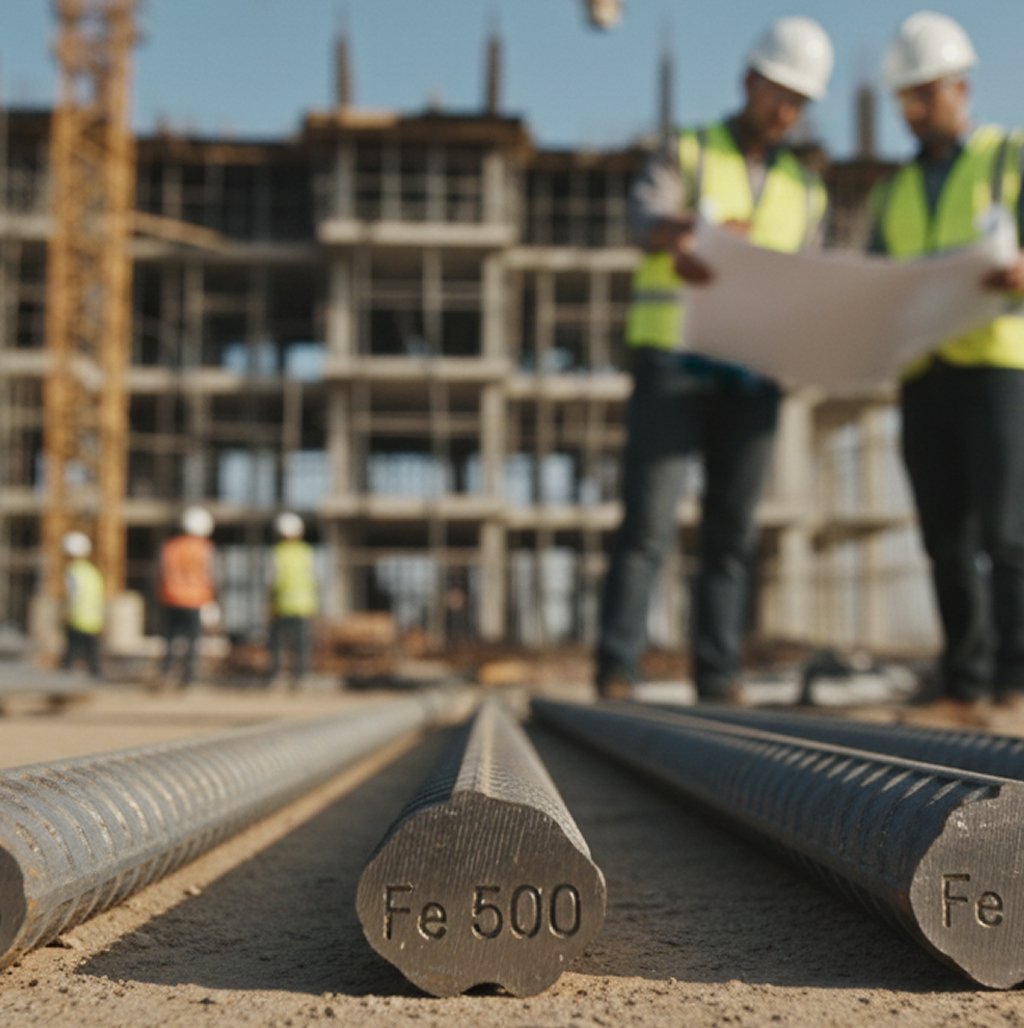
  • Fe500 – Yield strength of 500 MPa
  • Fe550 – Yield strength of 550 MPa
  • Fe600 – Yield strength of 600 MPa

Higher yield strength means the steel bar can withstand greater stress before deforming. However, structural performance also depends on ductility, bendability, weldability, and fatigue resistance, which are critical in reinforced concrete applications.

Common TMT Bar Grades Used in India

Fe415 Grade

Fe415 bars offer high ductility and flexibility, making them suitable for structures that require better energy absorption.

They are commonly used for:

  • Residential housing
  • Small commercial structures
  • Seismic zone constructions

Their higher elongation properties make them capable of handling dynamic stresses such as earthquakes or vibrations.

Fe500 Grade

Fe500 is currently the most widely used TMT bar grade for construction in India. It provides an optimal balance between strength and ductility.

Typical applications include:

    • Residential buildings

    • Multi-storey apartments

    • Commercial complexes

Due to its structural efficiency and durability, many engineers consider Fe500 the best TMT bar grade for house construction.

Fe550 Grade

Fe550 bars are used in structures requiring higher load-bearing capacity.

They are typically preferred in:

    • High-rise buildings

    • Infrastructure projects

    • Heavy structural foundations

These bars provide greater strength but slightly reduced ductility compared to lower grades.

Fe600 Grade

Fe600 is a high-strength reinforcement steel used mainly in specialised engineering applications where structural loads are significantly higher.

Typical uses include:

    • Bridges and flyovers

    • Industrial structures

    • Mega infrastructure projects

Because of their strength characteristics, these bars are usually used under carefully engineered structural designs.

Factors to Consider When Selecting a TMT Bar Grade

Choosing the right reinforcement steel involves evaluating several structural parameters.

Structural Load

Buildings with higher load requirements, such as multi-storey or infrastructure projects, require higher yield strength grades.

Structural Design

Engineers calculate reinforcement requirements using structural analysis and load distribution models, which determine the exact grade required for beams, columns, and slabs.

Seismic Resistance

In earthquake-prone areas, reinforcement steel with good ductility and elongation properties is preferred so that structures can absorb energy without brittle failure.

Construction Type

Different structures require different reinforcement strategies:

    • Residential houses

    • Commercial buildings

    • Infrastructure projects

This is why selecting the best TMT bar grade for house construction should always be guided by structural design rather than assumptions.

Conclusion

Choosing the right TMT bar grade for construction is essential for ensuring structural strength, safety, and long-term durability. Grades such as Fe415, Fe500, Fe550, and Fe600 serve different structural requirements, and the final selection should always be based on engineering design.

At the same time, modern construction must also consider environmental responsibility. By using renewable energy in steel manufacturing, AMBA Shakti Tricore TMT bars provide the same high-quality reinforcement while significantly lowering the carbon footprint of construction, supporting the future of sustainable and responsible building practices.