How Infrastructure Growth in India is Driving Demand for TMT Bars in 2026
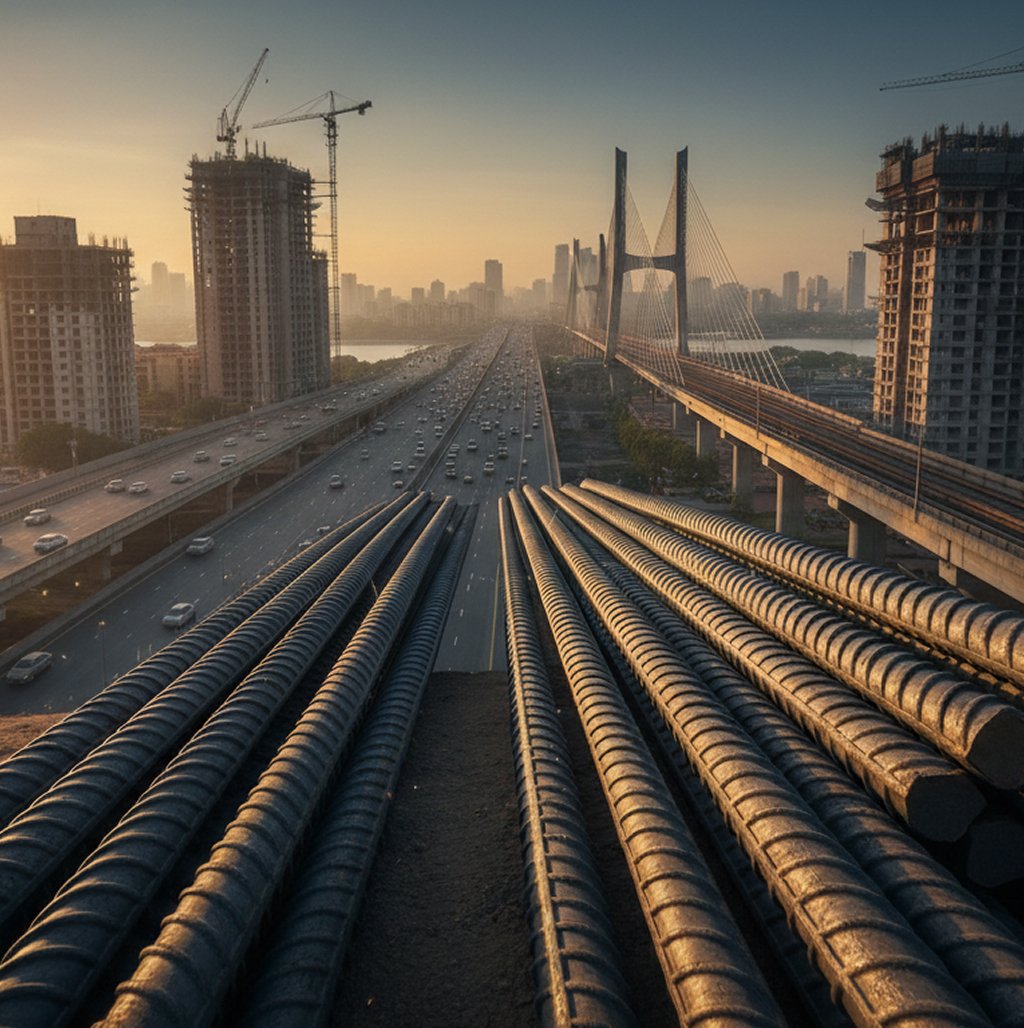
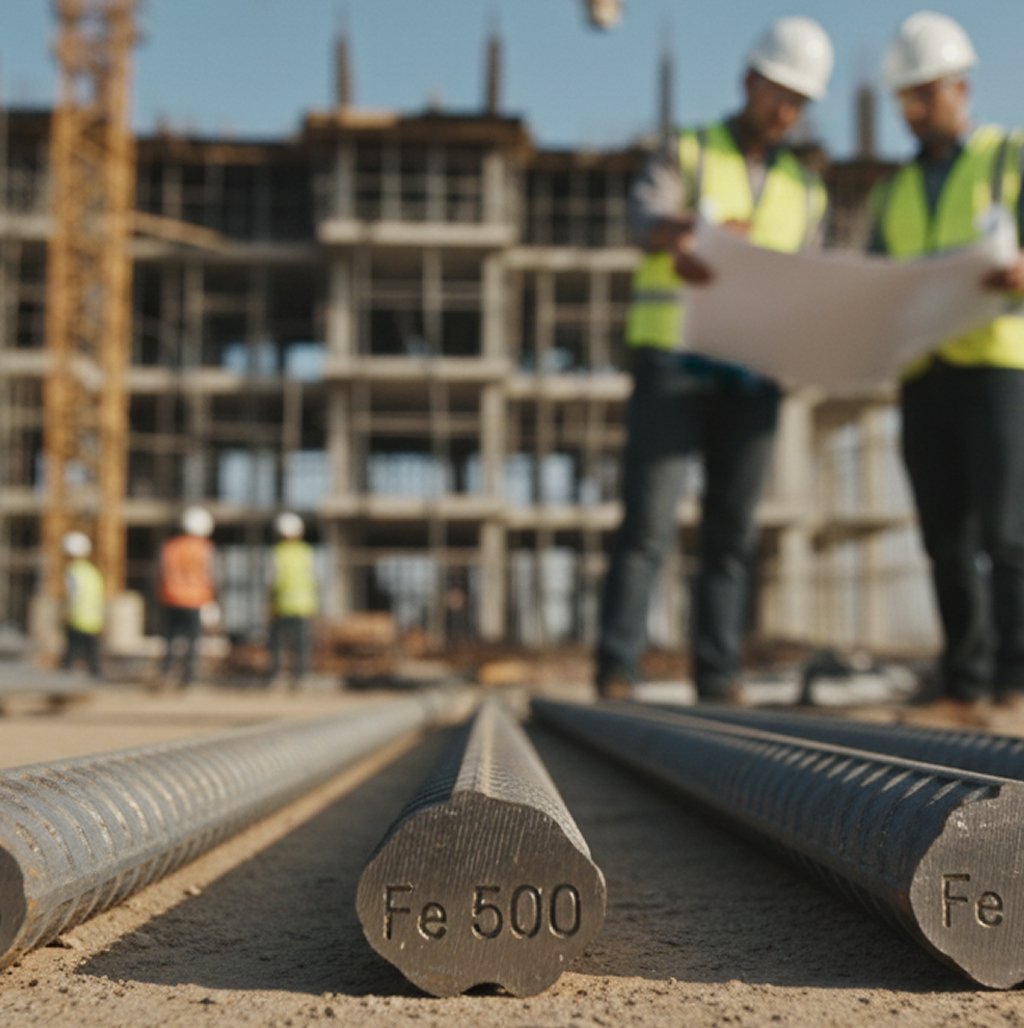
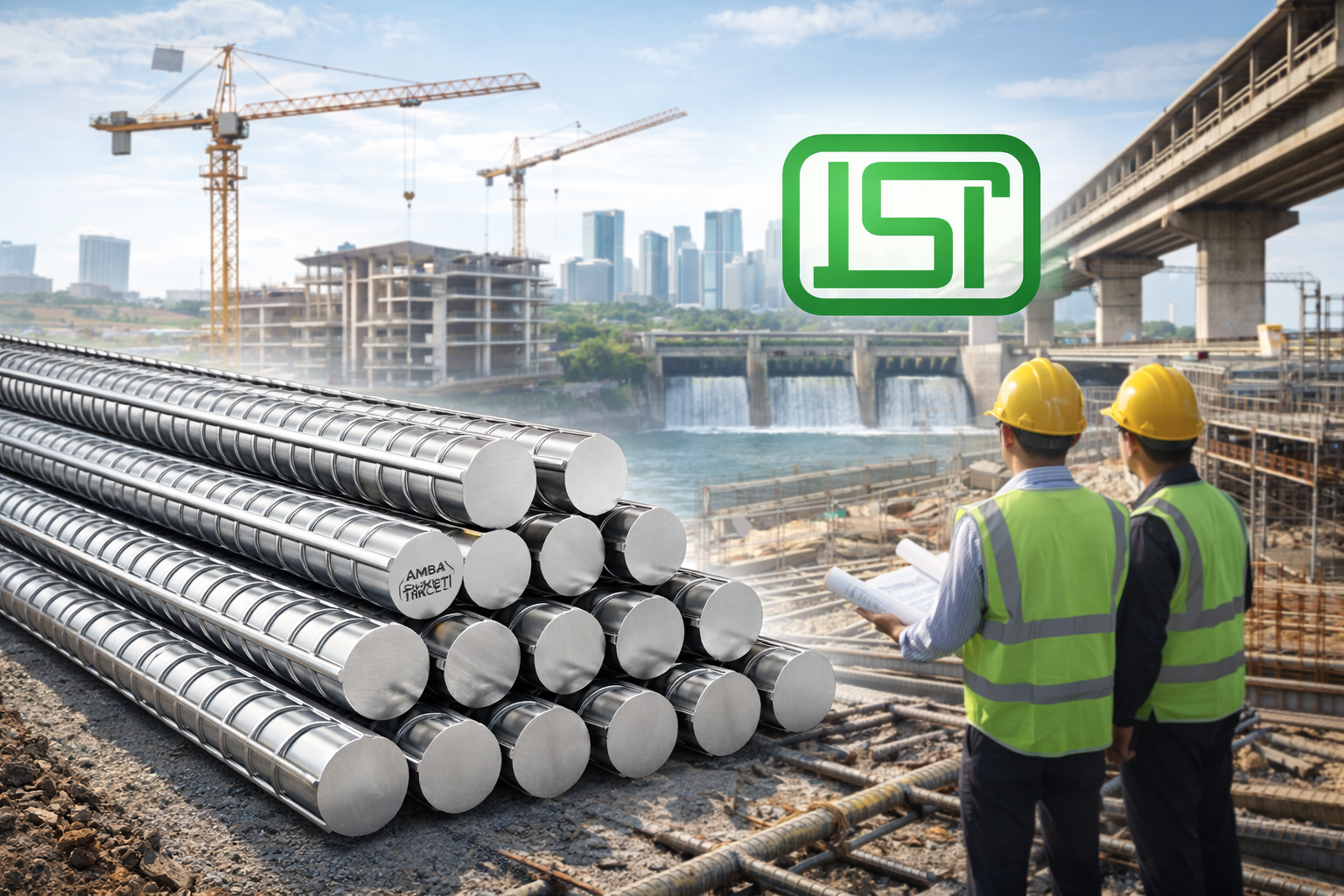
India’s infrastructure sector is expanding at an unprecedented pace. Large-scale projects such as expressways, metro rail networks, industrial corridors, ports, and smart city developments are reshaping the country’s economic landscape. This surge in development is significantly increasing the steel demand in India, particularly for reinforcement steel used in structural construction.
Among the most critical materials in modern construction are TMT bars in India, which provide the tensile strength necessary to support concrete structures. As infrastructure projects become larger and more technically demanding, the need for reliable TMT bars for construction continues to grow.
Infrastructure Expansion and Rising Steel Demand
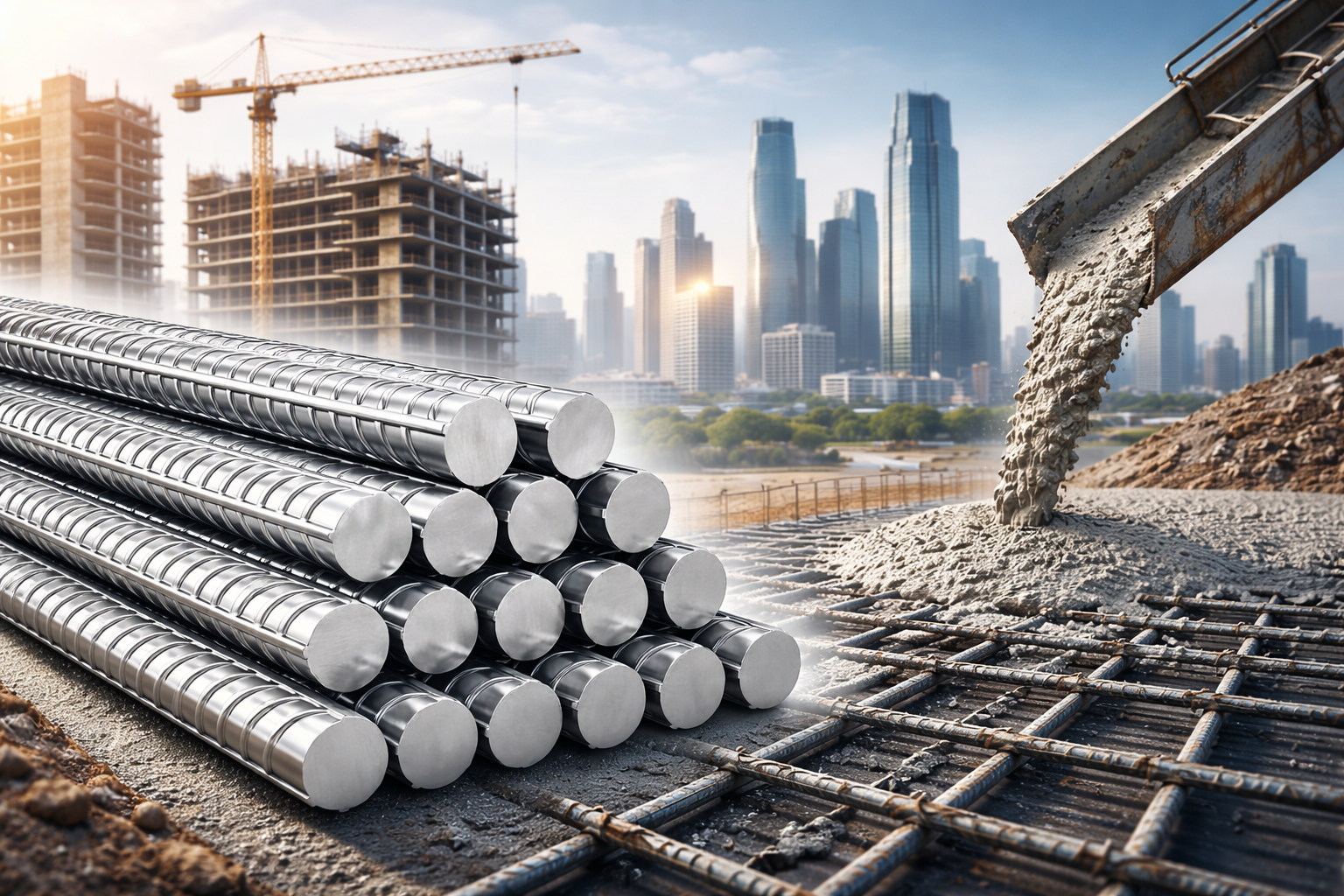
Infrastructure development requires massive volumes of structural materials. From bridges and tunnels to airports and elevated corridors, reinforced concrete forms the backbone of these projects. Because concrete alone cannot withstand tensile stress, reinforcement steel becomes essential.
This is why steel for infrastructure projects plays a vital role in ensuring durability, stability, and long-term structural performance. As more large-scale projects are announced across the country, the steel demand in India is expected to remain strong through 2026 and beyond.
Key Sectors Driving TMT Bar Consumption
Transportation and Mobility Projects
India is heavily investing in improving transportation infrastructure. National highway expansions, dedicated freight corridors, metro rail networks, and urban flyovers require enormous quantities of reinforcement steel.
Structural elements such as columns, beams, foundations, and bridge decks rely on TMT bars for construction to handle load stress, vibrations, and dynamic forces created by traffic movement.
Urban Housing and Smart Cities
Rapid urbanisation is another major contributor to the growing steel demand in India. The development of residential complexes, commercial hubs, and smart city infrastructure has increased the use of reinforced concrete structures.
High-rise buildings and large urban developments depend on strong and reliable TMT bars in India to maintain structural integrity over long periods.
Industrial and Energy Infrastructure
Industrial parks, manufacturing zones, logistics hubs, and power infrastructure projects also require significant volumes of reinforcement steel. These structures must support heavy machinery, large operational loads, and continuous industrial activity.
As a result, the role of dependable TMT bar manufacturers in India becomes crucial in meeting the increasing demand from infrastructure and industrial construction.
Infrastructure Growth and Sustainable Construction
As infrastructure development accelerates, sustainability is becoming an important consideration for the construction sector. Steel production is an energy-intensive process, and the source of electricity used in manufacturing significantly affects its environmental footprint.
Reducing emissions while maintaining structural performance is becoming a priority for the industry as it moves toward more responsible building practices.
Conclusion
India’s expanding infrastructure sector is significantly increasing the demand for reinforcement steel. Large-scale transportation networks, urban development projects, and industrial infrastructure are driving the rising steel demand in India, making TMT bars in India a critical component of modern construction.
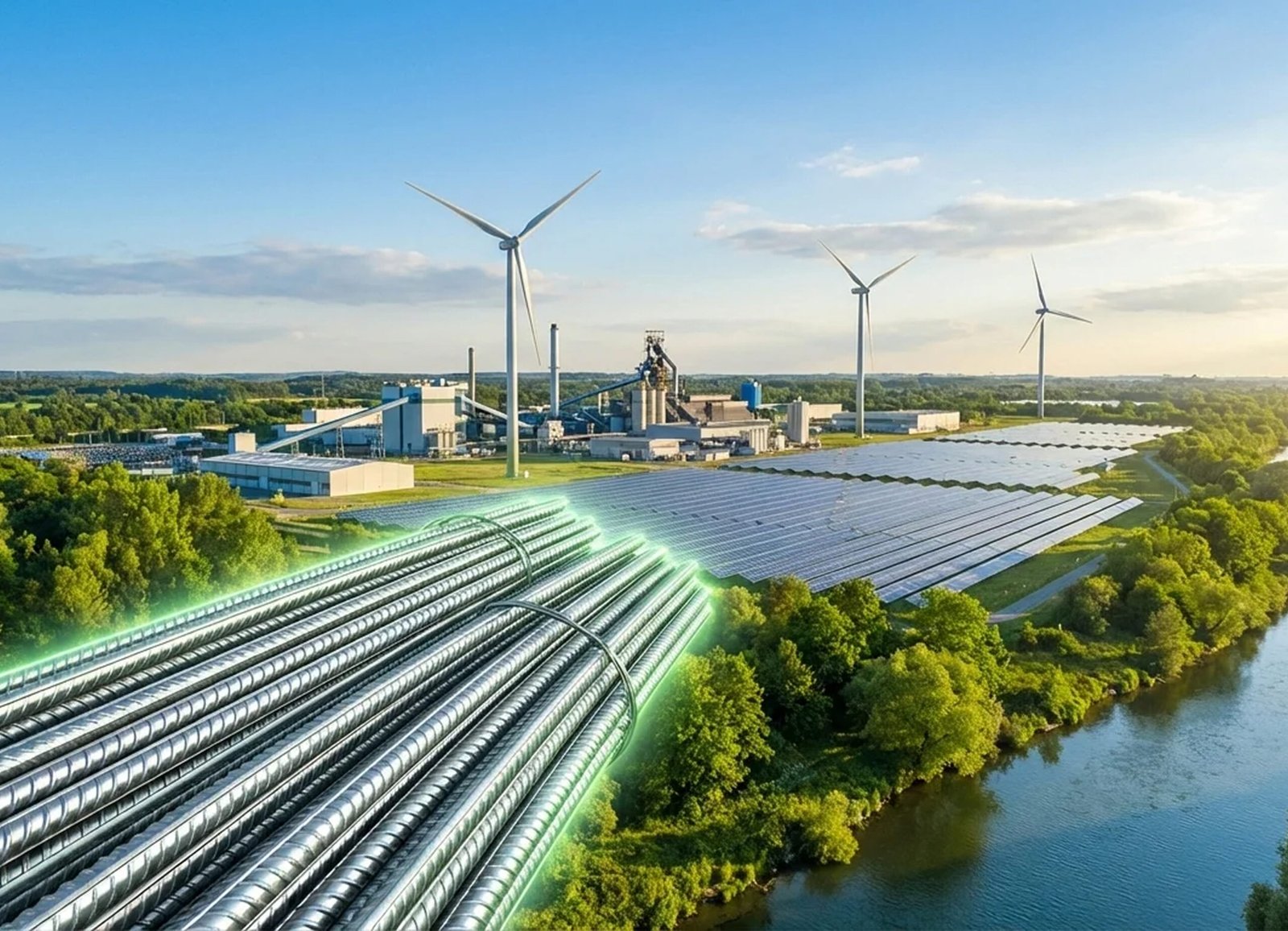
At the same time, sustainability is becoming an important factor in material selection. AMBA Shakti Tricore TMT bars represent a step toward greener construction by using electricity generated from captive solar and wind power plants during manufacturing. Since steel production consumes large amounts of electricity, replacing coal-based power with renewable energy significantly reduces the carbon footprint of the process.
By delivering the same structural strength and durability required for infrastructure projects while supporting more environmentally friendly construction, AMBA Shakti contributes to building infrastructure that is not only strong but also more responsible for the future.
FAQs
-
Why is infrastructure growth increasing the demand for TMT bars in India?
Infrastructure projects such as highways, metro rail systems, bridges, airports, industrial corridors, and smart cities require large quantities of reinforced concrete. Since TMT bars provide the tensile strength needed in these structures, growing infrastructure development directly increases demand for TMT bars in India.
-
Which infrastructure projects use the highest quantity of TMT bars?
Major infrastructure projects including expressways, flyovers, bridges, metro rail networks, industrial parks, ports, airports, and power plants consume large volumes of TMT bars due to their high structural and load-bearing requirements.
- Why are TMT bars important for infrastructure construction?
TMT bars enhance the strength, durability, and stability of reinforced concrete structures. They help buildings and infrastructure withstand heavy loads, environmental stress, vibrations, and long-term operational demands.
-
How is urbanisation contributing to steel demand in India?
Rapid urbanisation is driving the construction of residential complexes, commercial buildings, smart cities, and public infrastructure. This growth is significantly increasing the demand for high-quality TMT bars and reinforcement steel across India.
-
What qualities should infrastructure-grade TMT bars have?
Infrastructure-grade TMT bars should offer high tensile strength, excellent ductility, corrosion resistance, dimensional accuracy, earthquake resistance, and compliance with BIS standards to ensure long-term structural performance.
-
How do TMT bar manufacturers support India’s infrastructure growth?
Leading TMT bar manufacturers support infrastructure development by supplying high-quality reinforcement steel, maintaining consistent production standards, ensuring timely delivery, and adopting advanced manufacturing technologies to meet project requirements.
-
Why is sustainable steel manufacturing becoming important for infrastructure projects?
Sustainable steel manufacturing helps reduce carbon emissions and environmental impact while maintaining structural performance. Renewable energy-powered steel production supports the construction industry’s transition toward greener and more responsible infrastructure development.