How Infrastructure Growth in India is Driving Demand for TMT Bars in 2026

How Infrastructure Growth in India is Driving Demand for TMT Bars in 2026
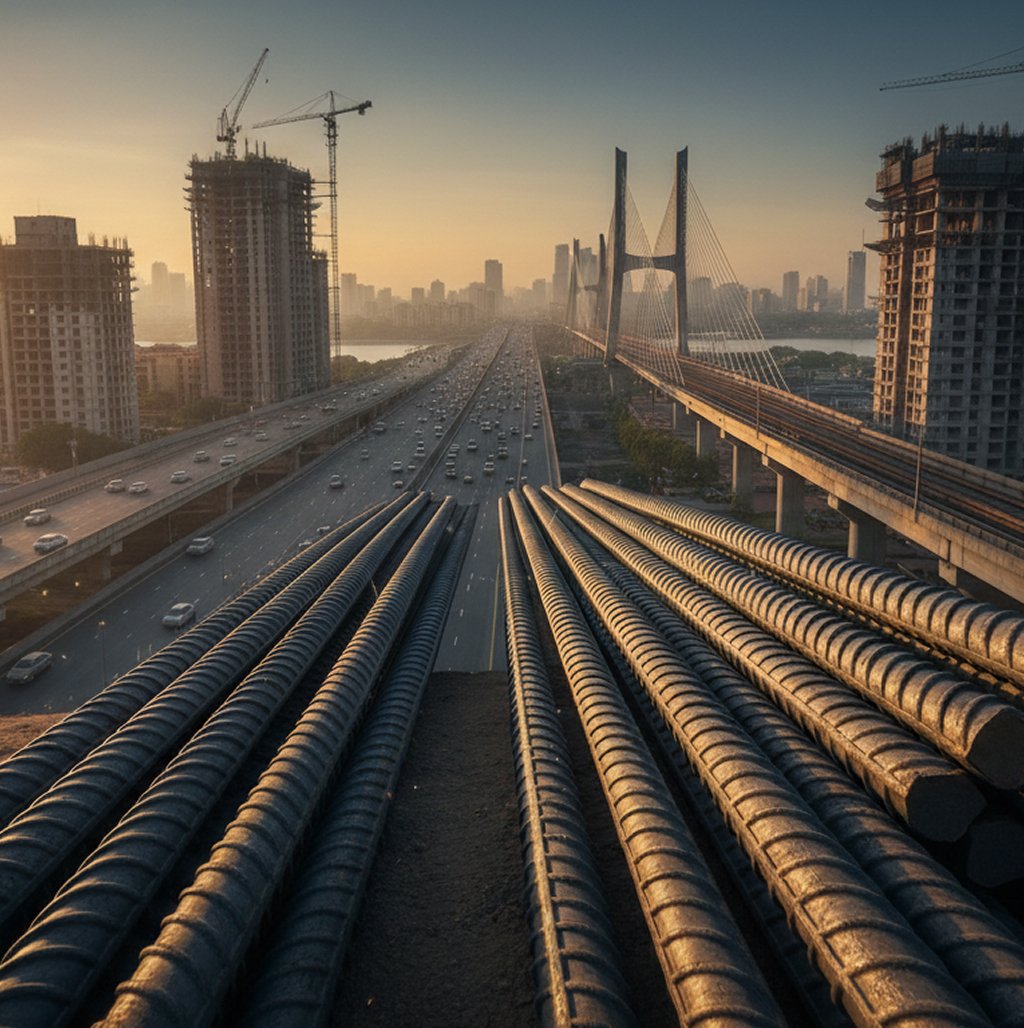
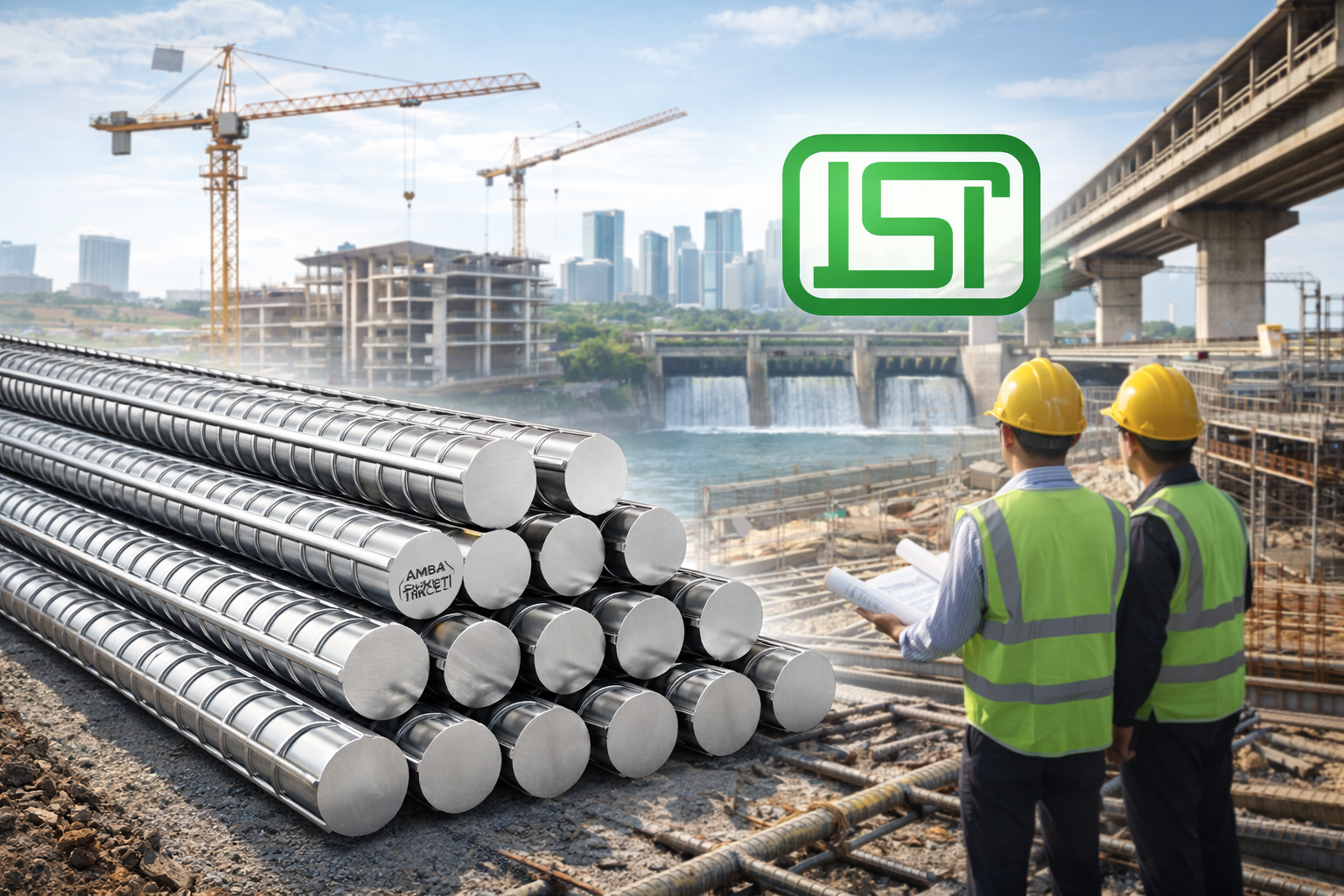
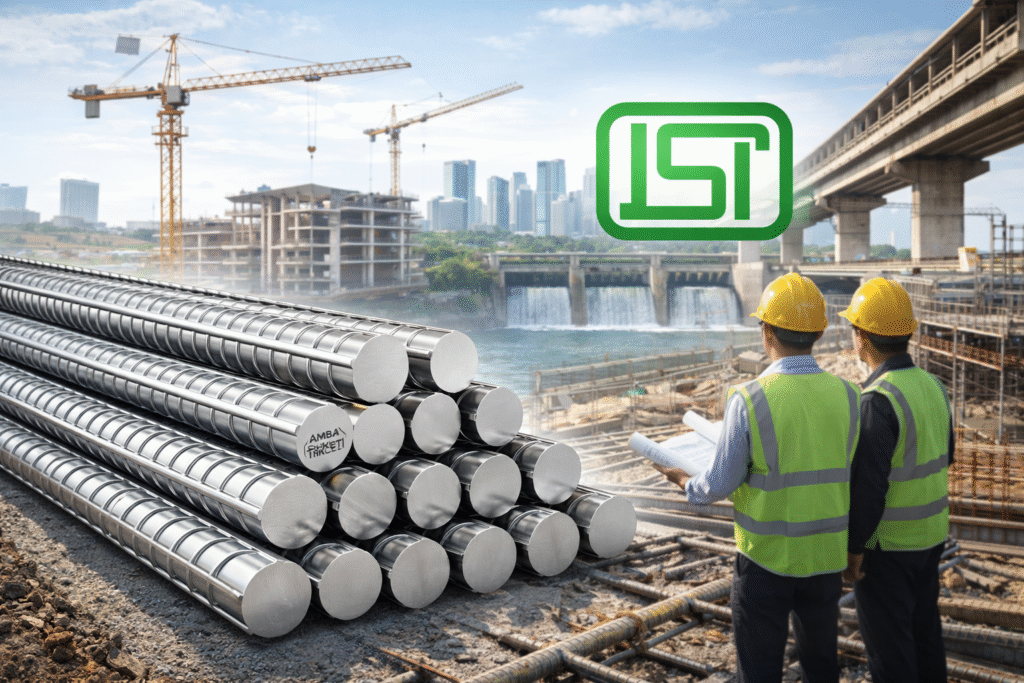
India’s infrastructure sector is expanding at an unprecedented pace. Large-scale projects such as expressways, metro rail networks, industrial corridors, ports, and smart city developments are reshaping the country’s economic landscape. This surge in development is significantly increasing the steel demand in India, particularly for reinforcement steel used in structural construction.

Among the most critical materials in modern construction are TMT bars in India, which provide the tensile strength necessary to support concrete structures. As infrastructure projects become larger and more technically demanding, the need for reliable TMT bars for construction continues to grow.

Infrastructure Expansion and Rising Steel Demand

Infrastructure development requires massive volumes of structural materials. From bridges and tunnels to airports and elevated corridors, reinforced concrete forms the backbone of these projects. Because concrete alone cannot withstand tensile stress, reinforcement steel becomes essential.

This is why steel for infrastructure projects plays a vital role in ensuring durability, stability, and long-term structural performance. As more large-scale projects are announced across the country, the steel demand in India is expected to remain strong through 2026 and beyond.

Key Sectors Driving TMT Bar Consumption

Transportation and Mobility Projects

India is heavily investing in improving transportation infrastructure. National highway expansions, dedicated freight corridors, metro rail networks, and urban flyovers require enormous quantities of reinforcement steel.

Structural elements such as columns, beams, foundations, and bridge decks rely on TMT bars for construction to handle load stress, vibrations, and dynamic forces created by traffic movement.

Urban Housing and Smart Cities

Rapid urbanisation is another major contributor to the growing steel demand in India. The development of residential complexes, commercial hubs, and smart city infrastructure has increased the use of reinforced concrete structures.

High-rise buildings and large urban developments depend on strong and reliable TMT bars in India to maintain structural integrity over long periods.

Industrial and Energy Infrastructure

Industrial parks, manufacturing zones, logistics hubs, and power infrastructure projects also require significant volumes of reinforcement steel. These structures must support heavy machinery, large operational loads, and continuous industrial activity.

As a result, the role of dependable TMT bar manufacturers in India becomes crucial in meeting the increasing demand from infrastructure and industrial construction.

Infrastructure Growth and Sustainable Construction

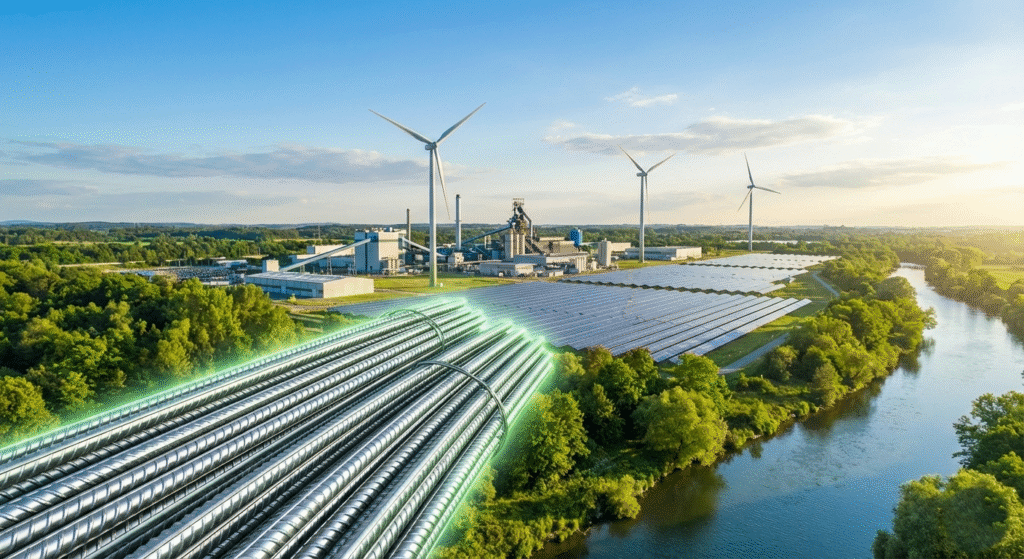
As infrastructure development accelerates, sustainability is becoming an important consideration for the construction sector. Steel production is an energy-intensive process, and the source of electricity used in manufacturing significantly affects its environmental footprint.

Reducing emissions while maintaining structural performance is becoming a priority for the industry as it moves toward more responsible building practices.

Conclusion

India’s expanding infrastructure sector is significantly increasing the demand for reinforcement steel. Large-scale transportation networks, urban development projects, and industrial infrastructure are driving the rising steel demand in India, making TMT bars in India a critical component of modern construction.

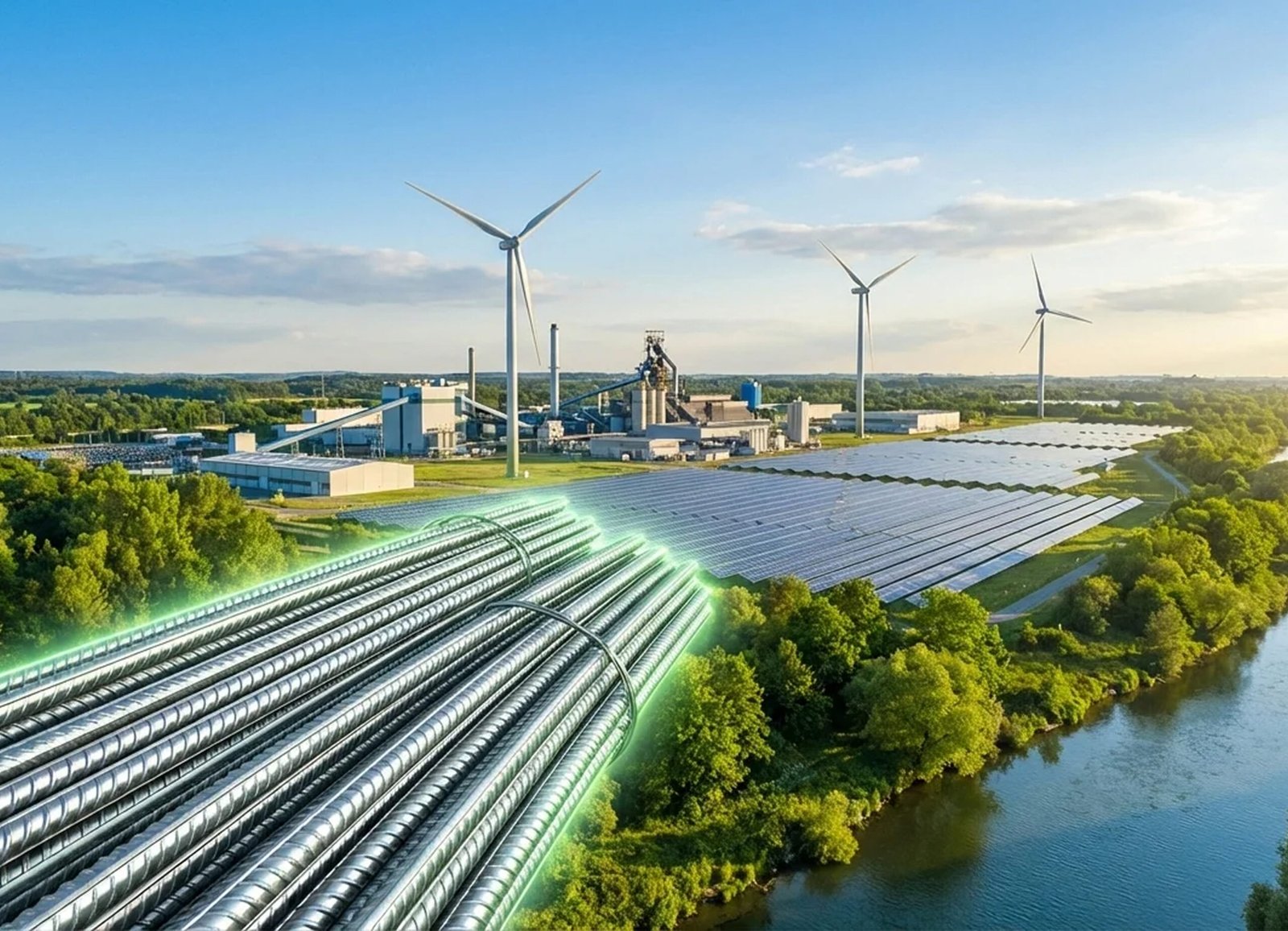
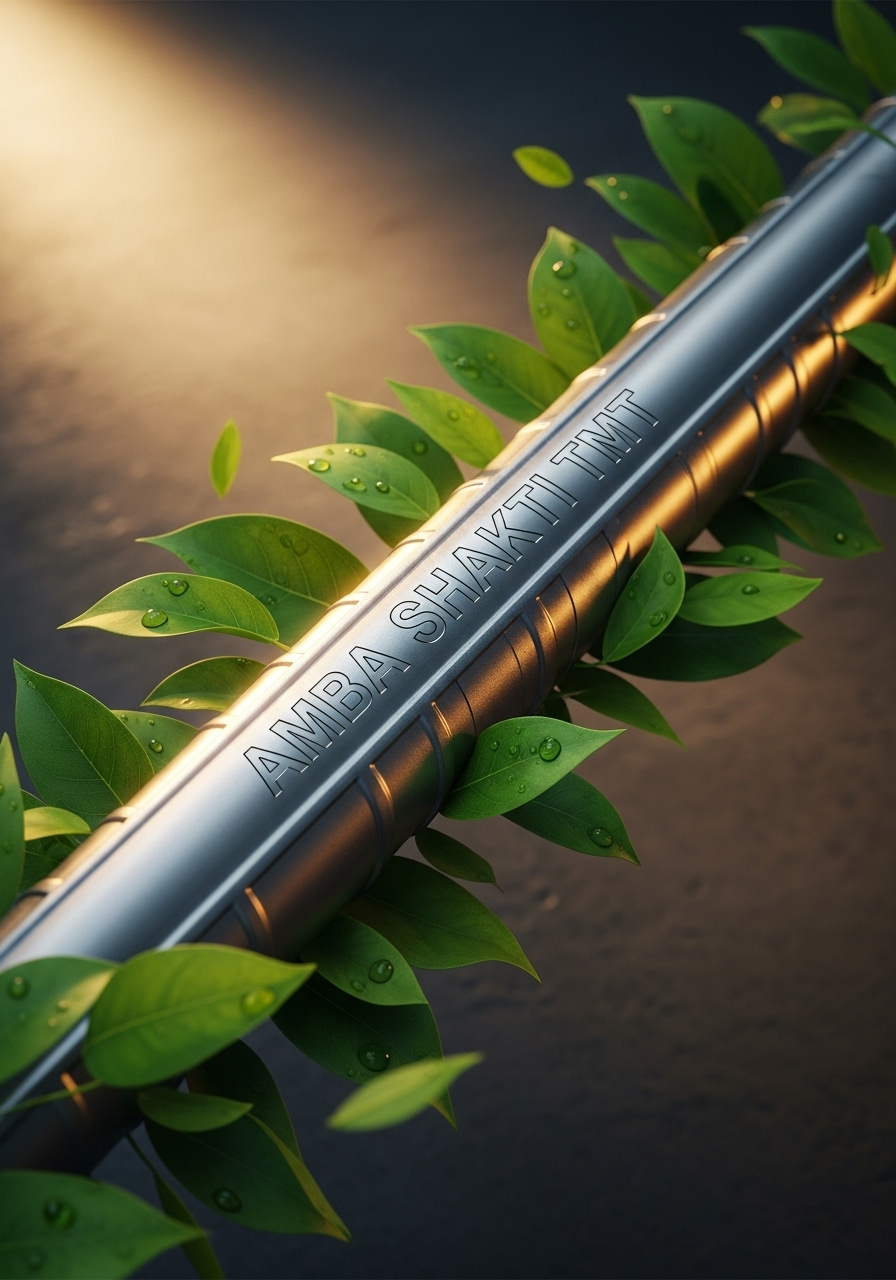
At the same time, sustainability is becoming an important factor in material selection. AMBA Shakti Tricore TMT bars represent a step toward greener construction by using electricity generated from captive solar and wind power plants during manufacturing. Since steel production consumes large amounts of electricity, replacing coal-based power with renewable energy significantly reduces the carbon footprint of the process.

By delivering the same structural strength and durability required for infrastructure projects while supporting more environmentally friendly construction, AMBA Shakti contributes to building infrastructure that is not only strong but also more responsible for the future.


FAQs

  1. Why is infrastructure growth increasing the demand for TMT bars in India?

    Infrastructure projects such as highways, metro rail systems, bridges, airports, industrial corridors, and smart cities require large quantities of reinforced concrete. Since TMT bars provide the tensile strength needed in these structures, growing infrastructure development directly increases demand for TMT bars in India.

  2. Which infrastructure projects use the highest quantity of TMT bars?

    Major infrastructure projects including expressways, flyovers, bridges, metro rail networks, industrial parks, ports, airports, and power plants consume large volumes of TMT bars due to their high structural and load-bearing requirements.

  3. Why are TMT bars important for infrastructure construction?

    TMT bars enhance the strength, durability, and stability of reinforced concrete structures. They help buildings and infrastructure withstand heavy loads, environmental stress, vibrations, and long-term operational demands.

  4. How is urbanisation contributing to steel demand in India?

    Rapid urbanisation is driving the construction of residential complexes, commercial buildings, smart cities, and public infrastructure. This growth is significantly increasing the demand for high-quality TMT bars and reinforcement steel across India.

  5. What qualities should infrastructure-grade TMT bars have?

    Infrastructure-grade TMT bars should offer high tensile strength, excellent ductility, corrosion resistance, dimensional accuracy, earthquake resistance, and compliance with BIS standards to ensure long-term structural performance.

  6. How do TMT bar manufacturers support India’s infrastructure growth?

    Leading TMT bar manufacturers support infrastructure development by supplying high-quality reinforcement steel, maintaining consistent production standards, ensuring timely delivery, and adopting advanced manufacturing technologies to meet project requirements.

  7. Why is sustainable steel manufacturing becoming important for infrastructure projects?

    Sustainable steel manufacturing helps reduce carbon emissions and environmental impact while maintaining structural performance. Renewable energy-powered steel production supports the construction industry’s transition toward greener and more responsible infrastructure development.
How to Choose the Right TMT Bar Grade for Your Construction

How to Choose the Right TMT Bar Grade for Your Construction

In any reinforced concrete structure, steel carries the tensile load, while concrete handles compression. This is why choosing the correct TMT bar grade for construction becomes one of the most important structural decisions in a building project.

Many homeowners and even some contractors assume that the highest grade is always the best option, but structural engineering does not work that way. The right grade depends on factors such as load distribution, seismic requirements, structural design, and the type of building.

Understanding the various TMT bar grades in India helps builders and engineers choose the most suitable reinforcement for safe and durable construction.

What Does a TMT Bar Grade Indicate?

TMT bar grades are classified based on their yield strength, which refers to the stress level at which the steel begins to deform permanently. Yield strength is measured in megapascals (MPa).

For example:

  • Fe415 – Yield strength of 415 MPa
  • Fe500 – Yield strength of 500 MPa
  • Fe550 – Yield strength of 550 MPa
  • Fe600 – Yield strength of 600 MPa

Higher yield strength means the steel bar can withstand greater stress before deforming. However, structural performance also depends on ductility, bendability, weldability, and fatigue resistance, which are critical in reinforced concrete applications.

Common TMT Bar Grades Used in India

Fe415 Grade

Fe415 bars offer high ductility and flexibility, making them suitable for structures that require better energy absorption.

They are commonly used for:

Their higher elongation properties make them capable of handling dynamic stresses such as earthquakes or vibrations.

Fe500 Grade

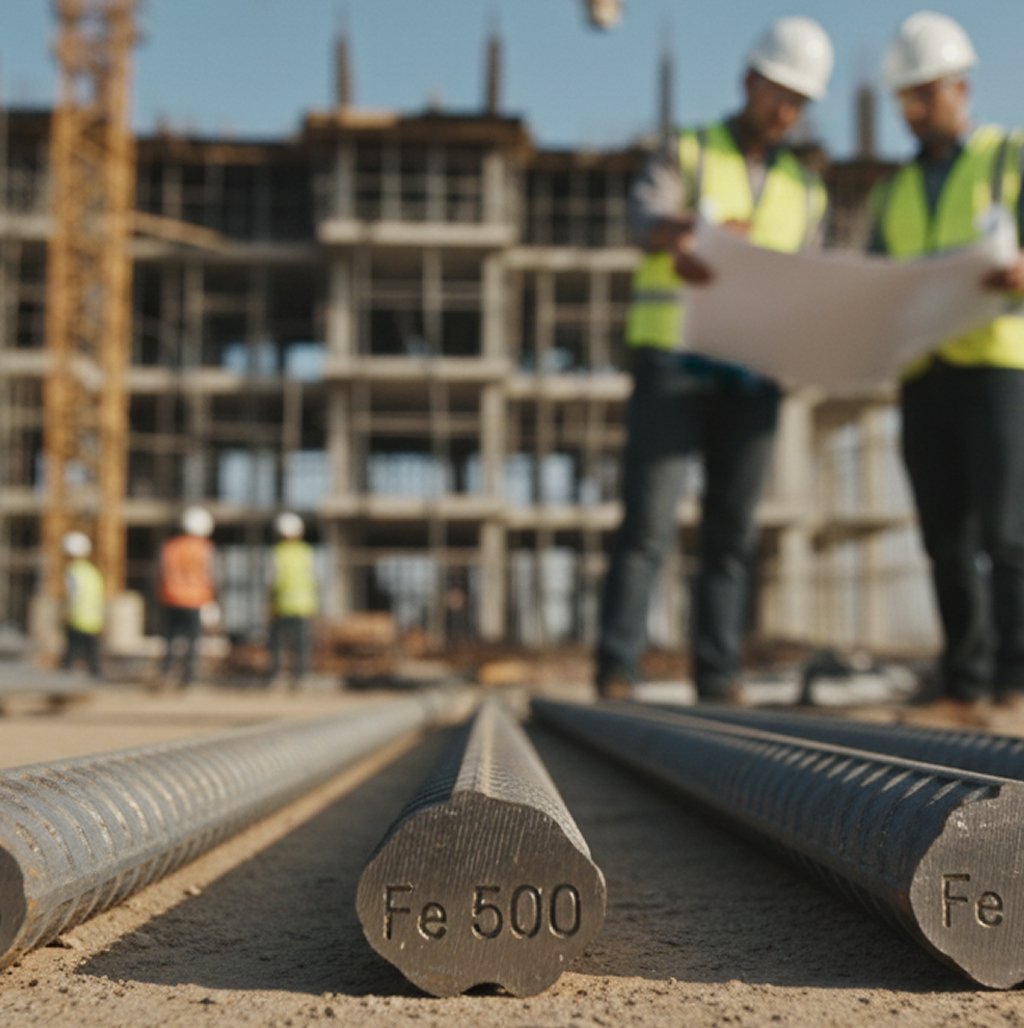
Fe500 is currently the most widely used TMT bar grade for construction in India. It provides an optimal balance between strength and ductility.

Typical applications include:

    • Residential buildings

    • Multi-storey apartments

    • Commercial complexes

Due to its structural efficiency and durability, many engineers consider Fe500 the best TMT bar grade for house construction.

Fe550 Grade

Fe550 bars are used in structures requiring higher load-bearing capacity.

They are typically preferred in:

    • High-rise buildings

    • Heavy structural foundations

These bars provide greater strength but slightly reduced ductility compared to lower grades.

Fe600 Grade

Fe600 is a high-strength reinforcement steel used mainly in specialised engineering applications where structural loads are significantly higher.

Typical uses include:

    • Bridges and flyovers

    • Industrial structures

    • Mega infrastructure projects

Because of their strength characteristics, these bars are usually used under carefully engineered structural designs.

Factors to Consider When Selecting a TMT Bar Grade

Choosing the right reinforcement steel involves evaluating several structural parameters.

Structural Load

Buildings with higher load requirements, such as multi-storey or infrastructure projects, require higher yield strength grades.

Structural Design

Engineers calculate reinforcement requirements using structural analysis and load distribution models, which determine the exact grade required for beams, columns, and slabs.

Seismic Resistance

In earthquake-prone areas, reinforcement steel with good ductility and elongation properties is preferred so that structures can absorb energy without brittle failure.

Construction Type

Different structures require different reinforcement strategies:

    • Residential houses

    • Commercial buildings

    • Infrastructure projects

This is why selecting the best TMT bar grade for house construction should always be guided by structural design rather than assumptions.

Conclusion

Choosing the right TMT bar grade for construction is essential for ensuring structural strength, safety, and long-term durability. Grades such as Fe415, Fe500, Fe550, and Fe600 serve different structural requirements, and the final selection should always be based on engineering design.

At the same time, modern construction must also consider environmental responsibility. By using renewable energy in steel manufacturing, AMBA Shakti Tricore TMT bars provide the same high-quality reinforcement while significantly lowering the carbon footprint of construction, supporting the future of sustainable and responsible building practices.


FAQs

  1. What is the best TMT bar grade for house construction in India?

    Fe500 TMT bars are widely considered the best TMT bar grade for house construction because they provide an ideal balance of strength, ductility, durability, and cost efficiency. They are commonly used in residential buildings, apartments, and commercial structures.

  2. What is the difference between Fe415, Fe500, Fe550, and Fe600 TMT bars?

    The main difference lies in their yield strength. Fe415 has a yield strength of 415 MPa, Fe500 offers 500 MPa, Fe550 provides 550 MPa, and Fe600 delivers 600 MPa. Higher grades can withstand greater loads, but the choice should depend on structural design requirements.

  3. Which TMT bar grade is suitable for earthquake-prone areas?

    TMT bars with higher ductility and elongation properties are preferred for earthquake-prone regions. Fe415 and Fe500D grades are often recommended because they can absorb seismic energy and reduce the risk of brittle failure during earthquakes.

  4. Is a higher TMT bar grade always better for construction?

    No. A higher TMT bar grade is not always the best option. The correct grade depends on factors such as building type, structural load, design calculations, seismic requirements, and engineering recommendations.

  5. Which TMT bar grade is used in high-rise buildings and infrastructure projects?

    Fe550 and Fe600 TMT bars are commonly used in high-rise buildings, bridges, flyovers, industrial structures, and large infrastructure projects because they offer higher strength and load-bearing capacity.

  6. How do engineers select the right TMT bar grade for construction?

    Engineers evaluate structural loads, reinforcement requirements, seismic conditions, project specifications, and safety factors before selecting the most suitable TMT bar grade for a construction project.

  7. Why is manufacturing quality important regardless of the TMT bar grade?

    Even the correct grade may not perform as expected if manufacturing quality is inconsistent. Factors such as chemical composition, rolling precision, quality control, and certification play a major role in the long-term performance of TMT bars.

How Amba Shakti Tricore Became a 5-Star Green TMT Bar Manufacturer?

How Amba Shakti Tricore Became a 5-Star Green TMT Bar Manufacturer?

Green TMT Bar Manufacturer

Building Trust First, Then Expanding

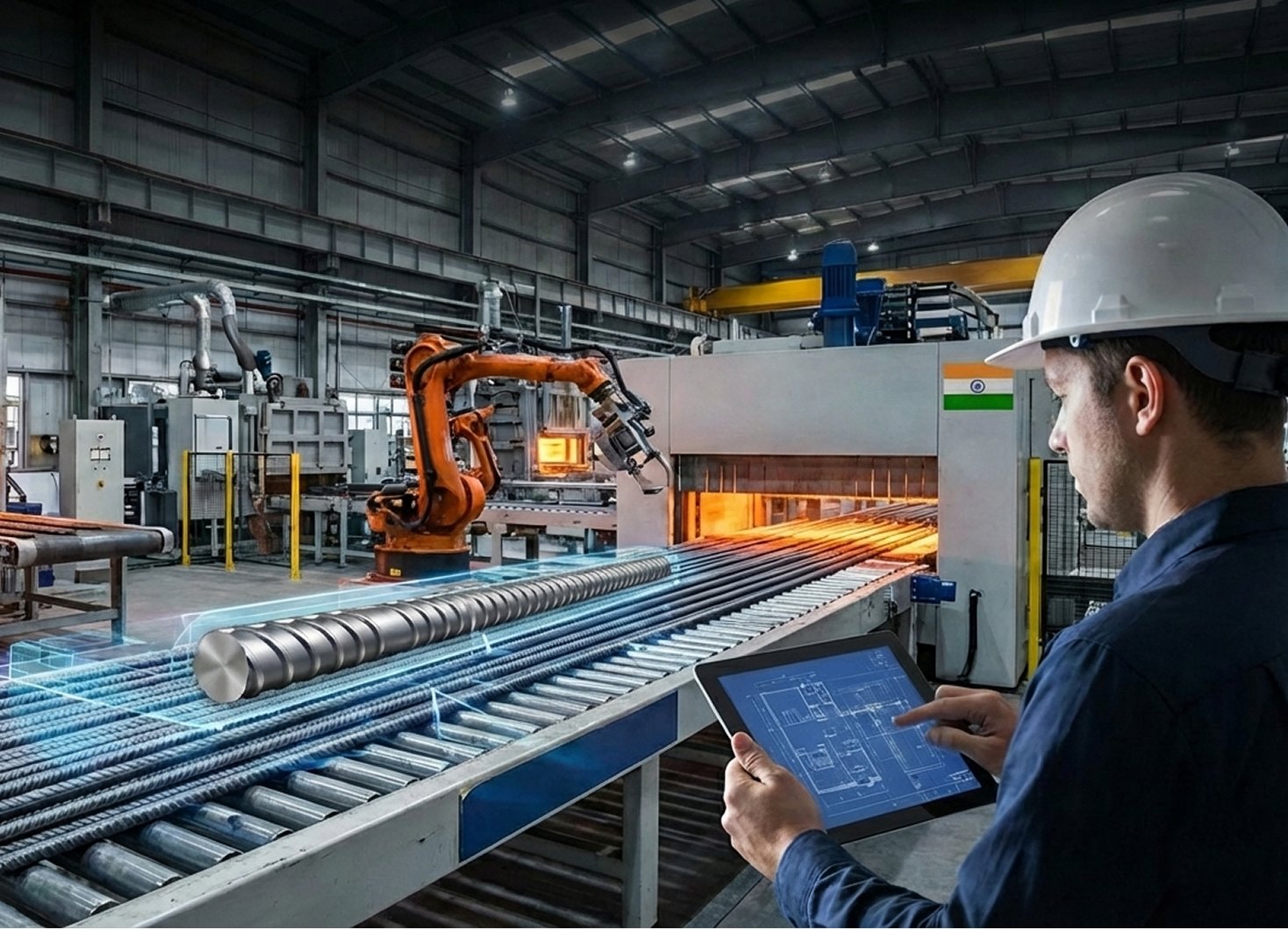
Amba Shakti Tricore did not begin with the goal of becoming a green-rated brand. In the early years, the priority was straightforward – produce steel that performs reliably on construction sites. For green TMT bar manufacturer in India, consistency is critical. Builders and engineers depend on reinforcement steel for structural safety, so quality cannot fluctuate.

From the beginning, Amba Shakti focused on disciplined manufacturing practices. Temperature control during production, correct chemical composition, and precision during rolling were treated as essential parts of the process. Over time, this approach helped Amba Shakti build credibility among contractors and project engineers.

Before recognition came, reliability had already been established on construction sites.

The Shift From Brown Power to Green Power

As construction practices evolved, sustainability gradually became an important conversation in the industry. Strength remained essential, but developers and consultants also started paying attention to how building materials were produced.

Recognising this shift, Amba Shakti began transitioning its manufacturing energy sources. Instead of relying only on conventional brown power, Amba Shakti invested in renewable energy infrastructure.

A major step in this direction was the development of captive solar and wind power plants. These renewable installations generate electricity that supports steel production. Such projects require long-term planning and significant investment, but they help move manufacturing toward cleaner energy.

Today, a considerable portion of the energy used in production comes from these renewable sources. This transition has helped Amba Shakti significantly reduce the carbon footprint associated with steel manufacturing.

Because of this step, Amba Shakti stands apart among TMT bar manufacturers in India. The use of renewable power in the production process has become one of the brand’s strongest differentiators.

Renewable Energy as a Core Strength

For Amba Shakti, sustainability is not just a label. It is closely connected to how steel is actually produced.

Electricity generated through Amba Shakti’s solar and wind plants directly supports the manufacturing process. By gradually replacing fossil-fuel-based power with renewable energy, Amba Shakti has lowered the environmental impact of its operations.

In an industry known for high energy consumption, this transition places Amba Shakti in a unique position among TMT bar manufacturers in India. The ability to use renewable energy in steel production is still uncommon across the sector.

This shift toward clean power is one of the reasons Amba Shakti is recognised as a green TMT bar manufacturer in India.

Achieving the 5-Star Green Rating

The recognition of producing 5-star green-rated TMT bars reflects continuous improvement in manufacturing systems and responsible energy management.

The transition toward renewable energy through solar and wind power plants has played a significant role in achieving this milestone. By integrating green power into production, Amba Shakti has been able to reduce environmental impact while maintaining the strength required for reinforcement steel.

This balance between sustainability and performance is what defines the brand’s approach to modern steel manufacturing.

Performance Still Comes First

Even with increasing attention to sustainability, builders still judge steel based on real-world performance.

Reinforcement bars must bend properly during fabrication, maintain uniform ribs, and bond well with concrete. Contractors continue using brands that behave consistently on site.Because of this reliability, many professionals consider Amba Shakti Tricore among the best TMT bars in India. Reputation in the steel industry grows slowly through years of dependable performance.

Compliance and Industry Confidence

In construction, approved materials reduce risk. Amba Shakti manufactures government-approved TMT bars in India, ensuring that the steel meets required standards and testing norms.

This compliance, combined with renewable energy use and consistent production quality, strengthens confidence among engineers, developers, and contractors.

Conclusion

The journey of Amba Shakti Tricore toward becoming a green TMT bars manufacturer in India has been shaped by steady improvements in manufacturing and energy use. A key step in this journey has been the transition from brown power to renewable green power through Amba Shakti’s captive solar and wind plants.These investments allow steel production to rely increasingly on clean energy, reducing the carbon footprint of manufacturing. Along with the production of government-approved TMT bars in India and consistent site performance, Amba Shakti continues to strengthen its position among leading TMT bars manufacturers in India while delivering what many builders recognise as some of the best TMT bars in India.


FAQs

  1. What makes Amba Shakti Tricore a green TMT bar manufacturer in India?

    Amba Shakti Tricore is recognized as a green TMT bar manufacturer in India because it integrates renewable energy from captive solar and wind power plants into its steel production process. This approach helps reduce carbon emissions while maintaining high standards of quality and performance.
  2. How does renewable energy support sustainable steel manufacturing?

    Renewable energy sources such as solar and wind power reduce dependence on fossil fuels and lower the environmental impact of steel production. By using clean energy, manufacturers can significantly decrease the carbon footprint associated with steel manufacturing.

  3. What is the significance of a 5-Star Green Rating in steel manufacturing?

    A 5-Star Green Rating reflects a manufacturer’s commitment to sustainable production practices, renewable energy integration, and environmental responsibility. It demonstrates that the company follows advanced processes to minimize environmental impact while maintaining product quality.

  4. Do green TMT bars offer the same strength as conventional TMT bars?

    Yes. Green TMT bars manufactured using advanced production processes provide the same strength, ductility, durability, and structural reliability as conventional TMT bars. Sustainability does not compromise engineering performance when manufacturing standards are properly maintained.

  5. Why is Amba Shakti Tricore considered one of the leading TMT bar manufacturers in India?

    Amba Shakti Tricore combines over five decades of manufacturing expertise with advanced steel production technology, renewable energy integration, stringent quality control, and consistent product performance. These factors have helped establish the brand as a trusted name in the Indian construction industry.

  6. Are Amba Shakti Tricore TMT bars approved for infrastructure and government projects?

    Yes. Amba Shakti Tricore manufactures government-approved TMT bars that comply with applicable quality standards and testing requirements. These products are suitable for residential, commercial, industrial, and infrastructure projects.

  7. How does Amba Shakti Tricore balance sustainability and performance?

    Amba Shakti Steels focuses on both environmental responsibility and engineering excellence. Through renewable energy-powered manufacturing, disciplined metallurgy, and strict quality testing, the company delivers high-performance TMT bars while reducing the environmental impact of steel production.

India’s Most Advanced TMT Brand Since 1974 | Amba Shakti Steels

India’s Most Advanced TMT Brand Since 1974 | Amba Shakti Steels

Ask anyone who has been in construction for a few years, and they’ll tell you one thing – choosing an advanced TMT brand in India is not something you compromise on. Once it goes into the structure, you don’t see it again, but it carries the entire load for decades. That’s why builders don’t just look at price. They look at trust.

Experience Still Matters in the Indian TMT Industry

There are many TMT bar manufacturers in India today. New names keep coming in, technologies keep changing, and marketing keeps getting louder. But in reality, people still prefer brands that have proven themselves over time. Experience matters because construction mistakes are expensive.

What Truly Defines an Advanced TMT Brand?

When we say an Advanced TMT Brand, it doesn’t only mean modern machines or big factories. It means consistent quality, proper testing, and steel that behaves the same way on every site. Contractors usually stick to brands that don’t give surprises because on-site conditions are already challenging enough.

Many people search online for the best tmt bar in India, but the answer is rarely just about numbers on paper. Strength is important, yes, but so is reliability. Does the steel bend correctly? Does it bond well with concrete? Does it perform as expected during real construction? These are the things site engineers actually care about.

Why Supply Consistency Matters as Much as Quality

A good tmt bar company in India also understands the reality of construction timelines. Material delays can slow down entire projects. That’s why consistent supply and dependable service matter just as much as product quality. Builders often prefer brands that they know will deliver without complications.

The same goes for TMT bars suppliers in India. A strong supply network means materials reach sites when needed and in proper condition. For contractors, that reliability builds confidence over the long term.

A Legacy of Trust Since 1974

Since 1974, Amba Shakti Tricore has grown alongside the construction industry, adapting to changes without losing focus on quality. Over the years, the brand has earned trust not through big claims but through consistent performance across projects of different sizes.

At the end of the day, steel is about peace of mind. Builders choose brands that make their job easier and their structures stronger. That’s what really defines an advanced TMT brand in India, not just technology, but years of dependable performance that people can trust.


FAQs

  1. What makes Amba Shakti Tricore one of the most advanced TMT brands in India?

    Amba Shakti Tricore combines over five decades of steel manufacturing expertise with advanced production technology, stringent quality control, and consistent product performance. This commitment to innovation and reliability has established it as one of the most trusted and advanced TMT brands in India.
  2. Why is experience important when choosing a TMT bar manufacturer?

    Experience reflects a manufacturer’s ability to maintain quality, adapt to industry changes, and consistently deliver reliable products. Established TMT bar manufacturers have proven their performance across diverse construction projects and structural requirements.

  3. How do builders evaluate the quality of TMT bars?

    Builders typically assess factors such as strength, ductility, dimensional accuracy, corrosion resistance, bonding with concrete, manufacturing standards, and supplier reliability. Consistent on-site performance is often considered more important than marketing claims.

  4. What makes a TMT bar brand reliable for construction projects?

    A reliable TMT bar brand ensures consistent quality, timely supply, compliance with BIS standards, advanced manufacturing processes, and strong distributor support. These factors help builders maintain project timelines and structural safety.

  5. Why is supply network important when selecting TMT bars?

    A strong supply network ensures timely delivery, product availability, and material authenticity. Reliable TMT bar suppliers help contractors avoid project delays and maintain construction schedules without interruptions.

  6. How has Amba Shakti Tricore built trust in the Indian construction industry?

    Since 1974, Amba Shakti Tricore has earned trust through consistent product quality, dependable supply, advanced manufacturing practices, and long-term performance across residential, commercial, industrial, and infrastructure projects.

  7. What should buyers look for in the best TMT bar brand in India?

    Buyers should consider manufacturing quality, certifications, strength, ductility, corrosion resistance, production consistency, and the reputation of the manufacturer. The best TMT bar brand is one that consistently delivers reliable performance over time.

Fe 500D vs Fe 550D TMT Bars: Which TMT Grade is Best for Construction in 2026

Fe 500D vs Fe 550D TMT Bars: Which TMT Grade is Best for Construction in 2026

This question comes up more often now than it did a few years ago. Earlier, most people simply went with Fe500 and moved on. Today, with taller buildings and tighter structural calculations, the comparison between Fe 500D vs Fe 550D TMT bars feels more relevant.

But honestly, the answer isn’t dramatic.

It depends on what you’re building.

First, the basics. The number just tells you how much stress the steel can handle before it starts to deform. Fe500D TMT Bars handle 500 MPa. Fe550D TMT bars handle more. That’s the technical difference.

Fe500D TMT Bars for Residential and Mid-Rise Construction

Now here’s the practical side, for regular homes, small apartment buildings, shops, or mid-rise projects, Fe500 works absolutely fine. It has been used for years across India without issues. It gives good strength, decent flexibility, and doesn’t complicate design calculations. In fact, many engineers still prefer it because it offers a comfortable balance.

When Fe550D Becomes a Better Structural Choice

For regular homes, small apartment buildings, shops, or mid-rise projects, Fe500D works absolutely fine. It has been used for years across India without issues. It gives good strength, decent flexibility, and doesn’t complicate design calculations. In fact, many engineers still prefer it because it offers a comfortable balance.

Fe500D vs Fe550D – Choosing the Right Grade for the Right Project

Where things change is when the structure gets heavier. If you’re working on a high-rise, a warehouse with heavy load requirements, or infrastructure where structural stress is clearly higher, then Fe550D starts making sense. The extra strength helps. In some designs, it may even reduce the quantity of steel required, but only if the structural engineer plans for it properly.

This is where people misunderstand the difference between Fe500D and Fe550D TMT bars. It’s not about which one is superior overall. It’s about suitability. Using Fe550D in a small house doesn’t automatically make the building stronger. The design decides that, not just the grade.

The Role of Manufacturing Quality in TMT Bar Performance

Another important point, and this matters more than people admit, is manufacturing quality. Even the right grade won’t perform well if production standards are inconsistent. That’s why experienced contractors pay attention to trusted TMT bars manufacturers in India, especially when choosing between Fe 500D vs Fe 550D TMT bars, instead of only focusing on grades.

Consistency in strength, proper treatment process, and uniform quality across batches matter a lot once the steel is inside concrete and no longer visible.

Brands like Amba Shakti Tricore have built their presence by maintaining steady quality rather than just marketing higher grades. And in construction, reliability always matters more than claims.

So if you’re planning for 2026, here’s the straightforward way to think about it:

If the project is residential or moderate in scale, Fe500D is usually enough.

If the structure carries heavier loads or goes vertical in a big way, Fe550D may be the better fit.


FAQs

  1. What is the difference between Fe 500D and Fe 550D TMT bars?

    The primary difference between Fe 500D and Fe 550D TMT bars is their yield strength. Fe 500D TMT bars have a minimum yield strength of 500 MPa, while Fe 550D TMT bars offer a higher yield strength of 550 MPa. Both grades provide excellent ductility, but Fe 550D is generally preferred for projects requiring higher load-bearing capacity.
  2. Which is better for house construction: Fe 500D or Fe 550D?

    For most residential construction projects, Fe 500D TMT bars are considered sufficient because they provide an ideal balance of strength, flexibility, and cost efficiency. The final choice should always be based on structural design requirements and engineering recommendations.

  3. Where are Fe 550D TMT bars commonly used?

    Fe 550D TMT bars are commonly used in high-rise buildings, bridges, industrial structures, warehouses, and large infrastructure projects where higher structural loads and enhanced strength are required.

  4. Are Fe 550D TMT bars stronger than Fe 500D bars?

    Yes. Fe 550D TMT bars provide higher yield strength than Fe 500D bars, allowing them to withstand greater loads. However, a stronger grade does not automatically make a structure safer; proper design and engineering remain the most important factors.

  5. Does a higher TMT bar grade reduce steel consumption?

    In certain structural designs, Fe 550D TMT bars may help reduce the overall quantity of steel required because of their higher strength. However, this depends entirely on project specifications and structural calculations performed by qualified engineers.

  6. Why is manufacturing quality important when selecting TMT bar grades?

    Manufacturing quality directly affects strength consistency, ductility, corrosion resistance, and overall structural performance. Choosing trusted TMT bars manufacturers in india ensures reliable performance regardless of whether Fe 500D or Fe 550D grades are used.

  7. How do Amba Shakti Tricore TMT bars ensure reliable performance?

    Amba Shakti Tricore TMT bars are produced using advanced rolling technology, stringent quality control, and precision manufacturing processes. This ensures consistent strength, superior ductility, and dependable performance across residential, commercial, and infrastructure projects.

Why Do Government Projects Need ISI Certified Steel Manufacturers in India?

Why Do Government Projects Need ISI Certified Steel Manufacturers in India?

ISI Certified Steel Manufacturers in India

Public infrastructure is built to last generations. Roads, bridges, metro corridors, dams, and public housing projects are not just construction sites, they are national assets. This is why government projects in India follow stricter material standards than private developments, especially when it comes to reinforcement steel.At the core of these standards is the requirement to source steel only from ISI certified steel manufacturers in India.

ISI Certification: A Non-Negotiable Requirement

ISI certification is not a branding exercise. It is a statutory assurance that steel products conform to Indian Standards laid down by the Bureau of Indian Standards (BIS). For reinforcement steel, this certification confirms that ISI certified TMT bars meet defined benchmarks for strength, ductility, chemical composition, and dimensional accuracy.

Government agencies rely on ISI certification because it ensures uniform quality across large-scale projects where material inconsistency can lead to long-term structural and safety risks.

Why Government Projects Demand Certified Steel Only

Unlike private construction, government projects involve high public exposure and long service life expectations. Failures or premature deterioration can have severe safety, economic, and reputational consequences. For this reason, tenders and procurement guidelines clearly mandate sourcing from government approved steel manufacturers.

ISI certification provides confidence that steel supplied across multiple locations and phases will perform consistently under load, environmental stress, and time.

Accountability and Traceability in Public Procurement

One of the key reasons governments insist on steel manufacturers for government projects to be ISI certified is traceability. Certified manufacturers maintain documented production records, batch-wise testing data, and compliance reports. This creates accountability at every stage, from manufacturing to site delivery.

In large public projects, this traceability becomes essential for audits, inspections, and quality assurance checks.

Structural Safety and Long-Term Durability

Public infrastructure is designed to withstand heavy usage, environmental exposure, and in many cases, seismic or dynamic loads. ISI certified TMT bars are tested to ensure they meet these performance demands, reducing the risk of structural degradation or failure over time.

By sourcing from certified suppliers, government bodies reduce maintenance costs, extend asset life, and protect public safety.

Role of Government Steel Suppliers in India

Government steel suppliers in India act as a bridge between certified manufacturers and public sector projects. Their role is not just supply, but ensuring that only compliant, tested, and approved material reaches the construction site.

This controlled procurement ecosystem helps maintain quality consistency across national and state-level infrastructure initiatives.

Conclusion

Government projects operate under a higher responsibility to the public, to safety, and to long-term national development. This is why sourcing steel from ISI certified steel manufacturers in India is mandatory, not optional.ISI certified TMT bars, including Amba Shakti Tricore, supplied by government approved steel manufacturers, ensure accountability, durability, and structural reliability. In public infrastructure, certification is not just about compliance, it is about trust.


FAQs

  1. Why do government projects require ISI-certified steel manufacturers in India?

    Government projects require ISI-certified steel manufacturers because ISI certification ensures that steel products comply with Bureau of Indian Standards (BIS) specifications for strength, ductility, chemical composition, and quality. This helps maintain safety, reliability, and long-term structural performance in public infrastructure projects.
  2. What is the importance of ISI certification for TMT bars?

    ISI certification confirms that TMT bars have been tested and manufactured according to Indian quality standards. It assures that the steel meets required benchmarks for strength, durability, dimensional accuracy, and structural safety.

  3. How do ISI-certified TMT bars improve infrastructure safety?

    ISI-certified TMT bars undergo rigorous quality testing to ensure consistent performance under heavy loads, environmental stress, and seismic conditions. Their verified quality helps reduce structural risks and improve the lifespan of infrastructure assets.

  4. What is the difference between certified and non-certified TMT bars?

    Certified TMT bars are manufactured under regulated quality standards and undergo continuous testing and compliance checks. Non-certified bars may lack consistent quality, traceability, and performance verification, increasing the risk of structural issues.

  5. Why is traceability important in government construction projects?

    Traceability allows government agencies to verify manufacturing records, testing reports, and batch-wise quality data. This helps maintain accountability, simplifies audits, and ensures that only approved construction materials are used in public infrastructure projects.

  6. How can buyers verify whether a steel manufacturer is ISI-certified?

    Buyers can verify ISI certification by checking BIS licenses, certification markings on TMT bars, manufacturer documentation, and official quality compliance records. Purchasing through authorized distributors also helps ensure product authenticity.

  7. Why is Amba Shakti Tricore suitable for government and infrastructure projects?

    Amba Shakti Tricore TMT bars are manufactured under strict quality controls, comply with BIS standards, and undergo extensive testing for strength, ductility, and durability. These qualities make them suitable for government projects, infrastructure developments, and large-scale construction applications across India.

How Tricore TMT Bars Improve Earthquake Resistance in Modern Buildings

How Tricore TMT Bars Improve Earthquake Resistance in Modern Buildings

Tricore TMT Bars Improve Earthquake Resistance

Earthquake safety is no longer limited to high-risk zones. With changing seismic patterns and denser urban construction, modern buildings must be designed to withstand sudden and repeated stress. One of the most critical factors in earthquake-resistant construction is the quality and behaviour of reinforcement steel.This is where Tricore TMT bars play a key role, offering controlled strength and ductility that improve a structure’s ability to absorb seismic energy.

Why Reinforcement Steel Matters During Earthquakes

During an earthquake, buildings are subjected to rapid load reversals, lateral movement, and repeated stress cycles. Concrete alone cannot handle these forces effectively. The responsibility falls on reinforcement steel to absorb energy, control cracking, and prevent sudden collapse.For this reason, engineers prioritise earthquake resistant TMT bars that can bend, stretch, and recover without breaking.

Tricore Structure and Seismic Performance

Tricore TMT bars are engineered with a three-layer internal structure, designed specifically to balance strength and flexibility. The outer layer provides high tensile strength, while the inner core remains ductile. Between them lies a transition zone that helps distribute stress more evenly.

This tricore design allows the steel to deform gradually under seismic forces instead of failing abruptly. As a result, buildings reinforced with Tricore TMT bars are better equipped to withstand earthquake-induced movement and energy dissipation.

Ductility: The Key to Earthquake Resistance

In seismic conditions, ductility is more important than sheer strength. Steel that is too rigid may crack or snap under sudden stress. Tricore TMT bars are designed to exhibit controlled yielding, allowing the structure to sway and absorb energy without losing its load-bearing capacity.This makes them among the best TMT bars for earthquake zones, where repeated stress cycles demand reliable deformation behaviour rather than brittle resistance.

Crack Control and Structural Stability

Earthquakes often cause micro-cracks that can compromise long-term structural stability. Tricore TMT bars help limit crack width and prevent uncontrolled propagation by maintaining a stable bond with concrete and distributing stress more evenly across structural elements.

This improves overall building resilience and reduces post-earthquake repair requirements.

Choosing the Right TMT Bars Manufacturer in India

Earthquake resistance depends not only on design but also on manufacturing quality. Reliable earthquake resistant TMT bars manufacturers in India focus on controlled rolling, precise thermo-mechanical treatment, and consistent testing to ensure predictable performance under dynamic loads.

For seismic safety, buyers and engineers should prioritise manufacturers that demonstrate process consistency, quality control, and compliance with structural standards.

Conclusion

Earthquake-resistant buildings require reinforcement steel that can respond intelligently to sudden and repeated stress. With their balanced strength, high ductility, and controlled deformation behaviour, Amba Shakti Tricore TMT bars offer clear benefits for seismic applications.

By selecting earthquake resistant TMT bars from dependable TMT bars manufacturers in India, builders can significantly improve structural safety, durability, and occupant protection in modern buildings.

FAQs

  1. What makes Tricore TMT bars suitable for earthquake-resistant construction?

    Tricore TMT bars feature a unique three-layer internal structure that combines high tensile strength with superior ductility. This design allows the bars to absorb seismic energy, deform gradually under stress, and improve structural stability during earthquakes.
  2. Why is ductility important in earthquake-resistant TMT bars?

    Ductility enables TMT bars to bend and absorb energy without breaking when subjected to sudden seismic forces. During an earthquake, ductile reinforcement helps structures withstand repeated stress cycles and reduces the risk of sudden structural failure.

  3. How do Tricore TMT bars improve seismic performance in buildings?

    Tricore TMT bars improve seismic performance by distributing stress more evenly throughout the structure. Their balanced combination of strength and flexibility allows buildings to withstand lateral movement and absorb earthquake-induced forces more effectively.

  4. Are Tricore TMT bars recommended for earthquake-prone regions in India?

    Yes. Tricore TMT bars are designed to provide high ductility, controlled yielding, and excellent load-bearing performance, making them suitable for residential, commercial, and infrastructure projects located in earthquake-prone areas.

  5. How do earthquake-resistant TMT bars help prevent structural damage?

    Earthquake-resistant TMT bars help control crack formation, improve bonding with concrete, and dissipate seismic energy throughout the structure. These properties enhance building resilience and reduce the likelihood of severe structural damage during earthquakes.

  6. What should buyers look for when selecting earthquake-resistant TMT bars?

    Buyers should evaluate ductility, tensile strength, manufacturing technology, quality certifications, and the reputation of the TMT bars manufacturer. Consistent production processes and compliance with BIS standards are essential for reliable seismic performance.

  7. Why is Amba Shakti Tricore considered a trusted choice for earthquake-resistant TMT bars?

    Amba Shakti Tricore combines advanced Tricore technology, precision-controlled rolling, stringent quality testing, and superior metallurgical control to produce TMT bars that offer excellent ductility, strength, and long-term structural safety in seismic conditions.

Green Steel TMT Bars Manufacturer in India – What Buyers Must Know

Green Steel TMT Bars Manufacturer in India – What Buyers Must Know

Green Steel TMT Bars Manufacturer in India - Amba Shakti Tricore

Sustainability is no longer optional in modern construction. Along with strength, safety, and compliance, buyers today are increasingly expected to understand how reinforcement steel is manufactured. This shift has brought green steel TMT bars into focus across India

However, not every product labelled “green” is genuinely sustainable. For buyers evaluating a green steel TMT bars manufacturer in India, it is essential to understand what truly defines green steel, beyond marketing terms.

What Is Green Steel in TMT Bars?

Steel production is inherently energy-intensive, making energy sourcing the most critical factor in determining whether steel can be called green.

Green steel TMT bars are defined primarily by how energy is used during manufacturing. A genuinely green steel manufacturer replaces conventional fossil-fuel-based power (brown energy) with renewable energy sources such as solar and wind power.

This transition, from brown energy to green energy, is what fundamentally makes a TMT bar environmentally responsible.

In addition to renewable power usage, green steel production also focuses on:

  • Eliminating fossil fuels like coal and gas from the manufacturing process
  • Actively controlling emissions through advanced pollution-control systems

Together, these practices significantly reduce the environmental footprint of steel production.

Manufacturing Practices That Define Green Steel

A true green steel TMT bars manufacturer in India follows a process-driven sustainability approach, not a symbolic one.

Key practices include:

These measures not only improve sustainability but also enhance production discipline and product uniformity.

Performance and Durability of Green Steel TMT Bars

Sustainability should never compromise structural performance.

When produced through controlled metallurgy and energy-efficient processes, green steel TMT bars match conventional TMT bars in strength, ductility, and load-bearing capacity. Improved chemical control also enhances corrosion resistance, helping structures last longer with lower maintenance requirements.

Green steel, when manufactured correctly, is an upgrade.

How to Choose the Right Green Steel TMT Bars Manufacturer in India

Buyers should look beyond claims and assess how steel is actually produced. A credible green steel manufacturer demonstrates:

  • Transparent manufacturing processes
  • Documented use of renewable energy
  • Absence of fossil fuels in production
  • Effective pollution-control mechanisms
  • Strict compliance with BIS standards

A reliable TMT bars manufacturer in India integrates sustainability into its core operations, not just its communication.

Amba Shakti Tricore: A Genuine Green Steel TMT Bars Manufacturer

Amba Shakti Tricore stands out as a green steel TMT bars manufacturer in India by addressing sustainability at its source.

Steel production at Amba Shakti Tricore is powered using renewable energy from captive solar and wind power plants, replacing conventional brown energy. The manufacturing process avoids fossil fuels such as coal and gas and employs advanced pollution-control systems to limit emissions.

By combining renewable energy usage, disciplined metallurgy, and strict quality validation, Amba Shakti Tricore demonstrates that green steel is a manufacturing reality. This commitment positions the brand as a credible choice for buyers seeking environmentally responsible reinforcement steel without compromising on strength, safety, or compliance.

Conclusion

Green steel represents the future of responsible construction, but only when sustainability is built into the production process itself. Renewable energy usage, zero fossil fuels, and emission control are what truly define green steel TMT bars.

Choosing the right green steel TMT bars manufacturer in India ensures structures that are strong, durable, and environmentally responsible, today and for generations to come.

FAQs

  1. What are green steel TMT bars?

    Green steel TMT bars are reinforcement bars manufactured using renewable energy sources such as solar and wind power instead of conventional fossil-fuel-based electricity. They help reduce carbon emissions while maintaining the strength, durability, and safety required for modern construction projects.
  2. Why are green steel TMT bars becoming important in India?

    As the construction industry focuses on sustainability and environmental responsibility, green steel TMT bars help reduce the carbon footprint of buildings and infrastructure projects. They support eco-friendly construction without compromising structural performance or quality.

  3. How does a green steel TMT bar manufacturer reduce environmental impact?

    A green steel TMT bars manufacturer reduces environmental impact by using renewable energy, eliminating fossil fuels such as coal and gas, implementing advanced pollution-control systems, and optimizing manufacturing processes to improve efficiency and reduce emissions.

  4. Do green steel TMT bars offer the same strength as conventional TMT bars?

    Yes. When manufactured through advanced metallurgical processes and strict quality controls, green steel TMT bars provide the same strength, ductility, load-bearing capacity, and durability as conventional TMT bars while offering additional environmental benefits.

  5. How can buyers identify a genuine green steel manufacturer in India?

    Buyers should evaluate renewable energy usage, fossil-fuel-free manufacturing practices, pollution-control measures, quality certifications, and transparency in production processes. A genuine green steel manufacturer integrates sustainability throughout its operations rather than using it as a marketing claim.

  6. Why is Amba Shakti Tricore considered a green steel TMT bar manufacturer in India?

    Amba Shakti Tricore utilizes renewable energy from captive solar and wind power plants, follows a zero-fossil-fuel manufacturing approach, and employs advanced pollution-control systems. These initiatives help reduce environmental impact while maintaining superior steel quality and performance.

  7. Are green steel TMT bars suitable for residential and infrastructure projects?

    Yes. Green steel TMT bars are widely used in residential buildings, commercial projects, industrial structures, bridges, highways, and infrastructure developments because they provide excellent strength, corrosion resistance, and long-term durability while supporting sustainable construction practices.

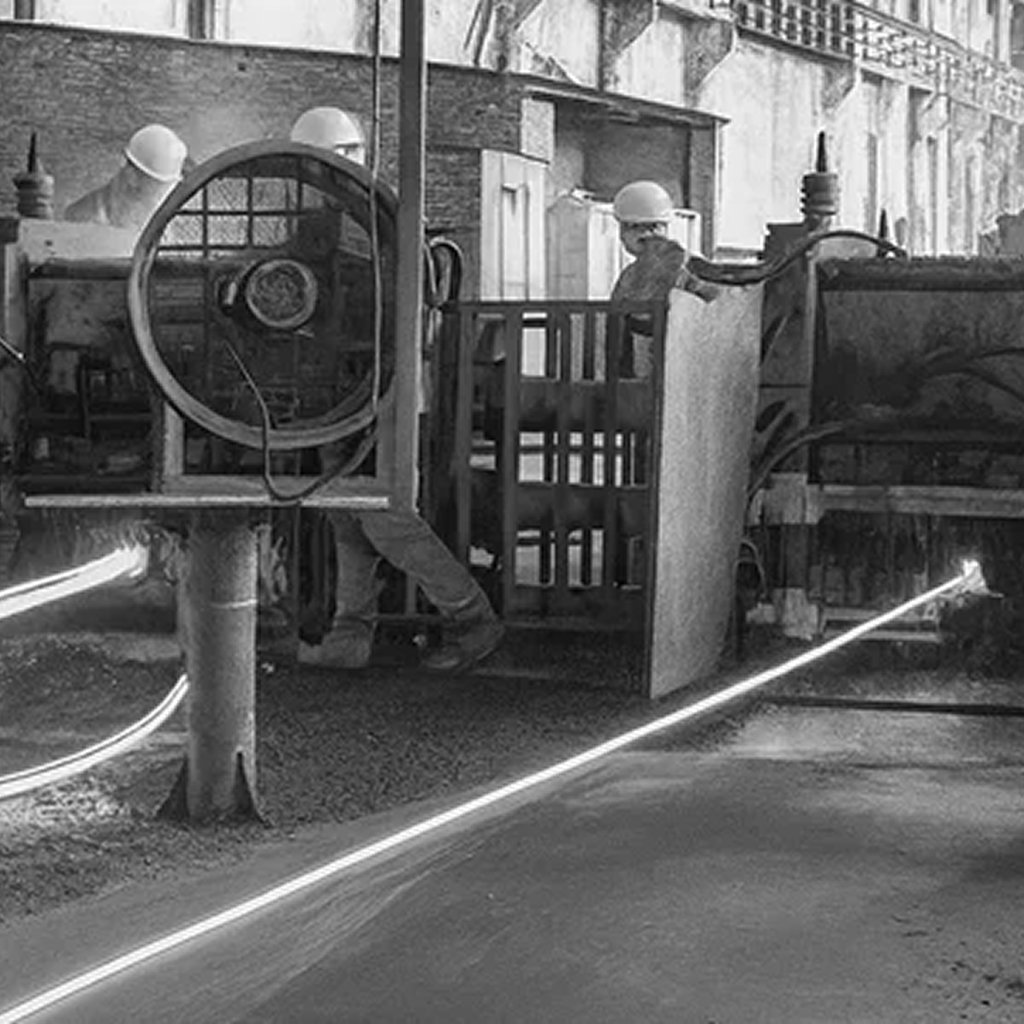
Best TMT Bars Manufacturers in India: Technology That Defines Strength

Best TMT Bars Manufacturers in India: Technology That Defines Strength

Structural safety is determined at the reinforcement stage, long before concrete cures or loads are applied. The performance of a structure depends on how accurately reinforcement steel is manufactured and how consistently its internal properties are controlled. Modern construction therefore demands TMT bars produced through precision-controlled processes and advanced rolling technology, not generic manufacturing.
Amba Shakti manufactures Tricore TMT bars using a state-of-the-art high-speed Horizontal-Vertical rolling mill., ensuring dimensional accuracy, uniform grain flow, and repeatable performance across every bar.

Thermo-Mechanical Treatment and Steel Behaviour

The behaviour of TMT bars is defined during thermo-mechanical treatment, where rolling temperature and cooling rates must be precisely regulated. Amba Shakti Tricore employs world-renowned German Thermax quenching technology, enabling uniform and controlled quenching immediately after rolling. This creates a hardened outer surface while allowing the core to self-temper and remain ductile, resulting in steel that offers both high strength TMT Bars and controlled deformation.

German Thermax technology eliminates uneven hardness profiles commonly seen in conventional systems, ensuring predictable structural behaviour on site.

Advanced Rolling and Rib Precision

Mechanical reliability begins at the rolling stage. The high-speed Horizontal-Vertical rolling mill used by Amba Shakti Tricore allows accurate dimensional control and reduced internal stress formation. Rib geometry is produced using hi-tech CNC-machined mill rolls, ensuring sharp, precisely defined ribs that improve bond strength between steel and concrete and enable efficient load transfer.

Tricore Structure: Strength with Ductility

Amba Shakti Tricore TMT bars are engineered with a three-layer internal structure, consisting of a high-strength outer layer, a stress-transition zone, and a ductile core. This tricore design allows progressive deformation under overload or seismic conditions, reducing the risk of sudden brittle failure and improving overall structural safety.

Corrosion Resistance Through Metallurgical Control

Long-term corrosion resistance depends directly on chemical consistency within the steel. Therefore, Amba Shakti Triocre maintains in-house billet manufacturing supported by a Ladle Refining Furnace (LRF), allowing precise control over steel chemistry and impurity levels. This metallurgical discipline improves surface uniformity, delays corrosion initiation, and enhances durability, particularly in coastal and industrial environments.

Quality Testing and Compliance

Every production batch undergoes systematic mechanical and chemical testing to ensure consistency and compliance. Strength, ductility, and chemical composition are verified, and all products conform to BIS / ISI standards, ensuring reliable performance across residential, commercial, and infrastructure applications.

Authorised Distribution Network

To ensure material authenticity and traceability, Amba Shakti Tricore operates through verified distribution channels across:

Rajasthan
Delhi
Haryana
Punjab
Uttar Pradesh
Madhya Pradesh
Uttarakhand


This ensures certified material reaches project sites without compromise.

Conclusion

TMT bars should be evaluated by manufacturing precision, metallurgical control, and process reliability, not generic claims. With German Thermax quenching technology, high-speed Horizontal-Vertical rolling mills, CNC-precision rib formation, in-house billet manufacturing, and LRF-controlled chemistry, Amba Shakti Tricore delivers reinforcement steel designed for consistency, safety, and long-term structural performance.


FAQs

  1. What makes Amba Shakti Tricore one of the best TMT bar manufacturers in India?

    Amba Shakti Tricore is recognized among the best TMT bars manufacturers in India due to its advanced German Thermax quenching technology, high-speed Horizontal-Vertical rolling mills, CNC-precision rib formation, and strict quality control processes. These technologies ensure superior strength, durability, and structural reliability for residential, commercial, and infrastructure projects.
  2. How does German Thermax technology improve TMT bar performance?

    German Thermax technology enables controlled thermo-mechanical treatment of TMT bars by rapidly quenching the outer surface while maintaining a ductile core. This process enhances tensile strength, ductility, weldability, and earthquake resistance, making best TMT bars manufacturers in India and more reliable for modern construction.

  3. Why are Tricore TMT bars considered earthquake-resistant?

    Tricore TMT bars feature a unique three-layer internal structure consisting of a hardened outer layer, a stress-transition zone, and a ductile core. This design allows the bars to absorb seismic stress and deform progressively under extreme loads, improving structural safety during earthquakes.
  4. How does rib design affect the strength of TMT bars?

    Rib design plays a critical role in creating a strong bond between steel and concrete. Amba Shakti Tricore uses CNC-machined mill rolls to produce uniform and precise rib patterns, improving load transfer, reducing slippage, and enhancing the overall stability of reinforced concrete structures.
  5. Why is in-house billet manufacturing important for TMT bar quality?

    In-house billet manufacturing ensures complete control over steel chemistry, purity, and consistency. At Amba Shakti Steels, billets are produced using advanced refining processes and Ladle Refining Furnace (LRF) technology, resulting in superior-quality TMT bars with enhanced strength, corrosion resistance, and durability.
  6. Are Amba Shakti Tricore TMT bars suitable for coastal and industrial environments?

    Yes. best TMT bars manufacturers in India Amba Shakti Tricore  are manufactured with precise metallurgical control and low impurity levels, which improve corrosion resistance. This makes them suitable for coastal regions, industrial zones, and other environments where structures are exposed to moisture and aggressive conditions.
  7. How can I verify the authenticity of Amba Shakti Tricore TMT bars?

    Authentic Amba Shakti Tricore TMT bars should always be purchased through authorized distributors and dealers. The company maintains a verified distribution network across Delhi, Haryana, Punjab, Uttar Pradesh, Madhya Pradesh, and Uttarakhand, ensuring certified products, quality assurance, and complete traceability.